How to Change Brush Size in Photoshop Using Shortcuts

How to Change Brush Size in Photoshop

Changing the brush size and hardness quickly can significantly enhance your workflow in Photoshop.

Using shortcuts allows you to adjust these settings without interrupting your creative process.

Additionally, Photoshop brushes are often saved in .abr file formats, which contain custom brushes that you can import and use for your projects.

In this tutorial, we’ll walk you through the most effective methods to change brush size and hardness using shortcuts.

(Insert an image showcasing the brush tool in Photoshop)

Changing Brush Size and Hardness: Normal Methods

Before we dive into shortcuts, let’s look at the traditional methods of changing brush size and hardness.

Access the Brush Panel: Click on the brush icon in the toolbar or press B to select the brush tool.

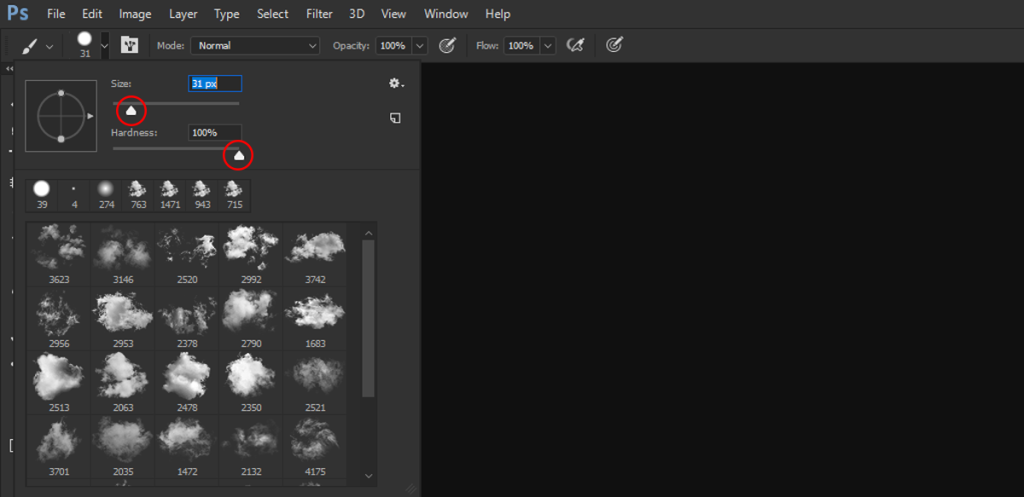
Now you can change the brush size manually in two ways: by dragging the slider, or by typing the number.
How to Change Brush Size in Photoshop

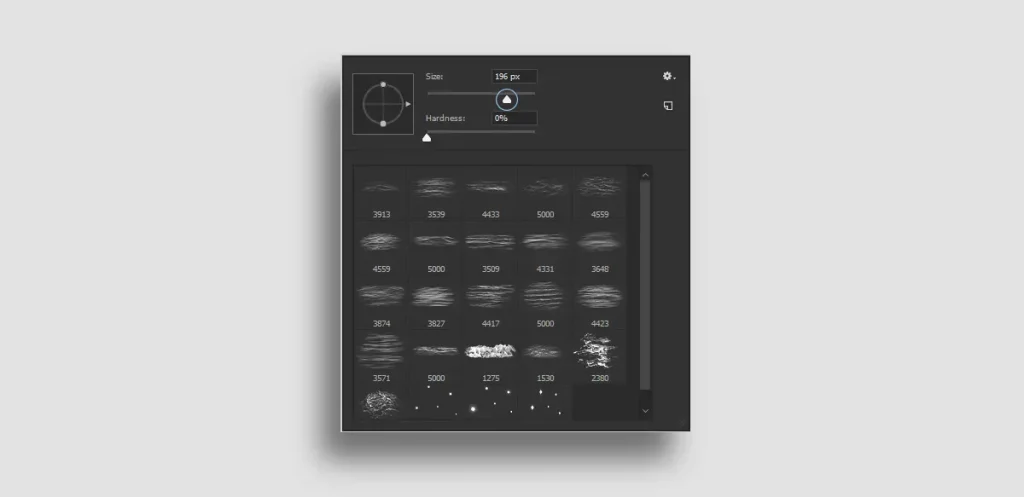
Open Brush Settings: Click on the dropdown menu next to the brush icon in the options bar at the top.

You can also change the brush size the same way in the Brushes panel.
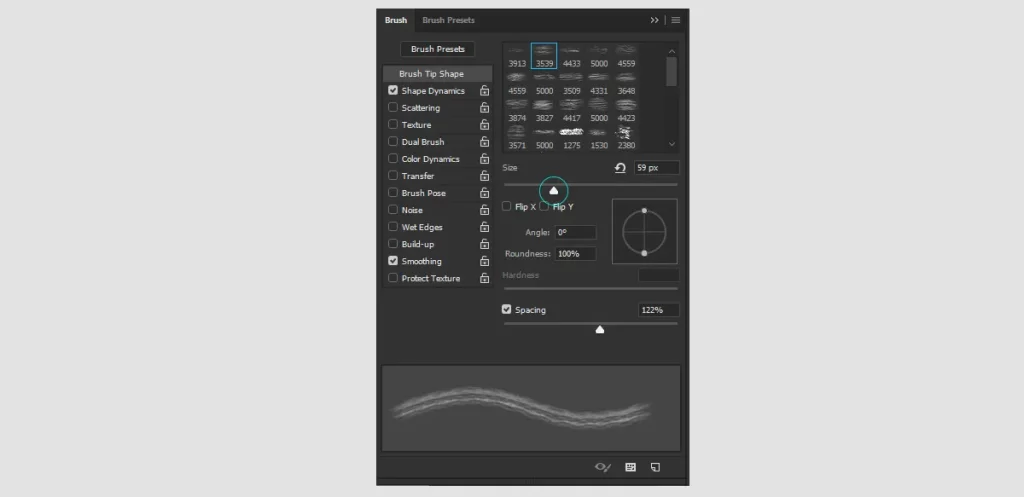
Adjust Brush Size: Use the slider under “Size” to increase or decrease the brush size.

Adjust Brush Hardness: Use the slider under “Hardness” to control the softness or hardness of the brush edges.
Method 1: Using Bracket Keys

How to Change Brush Size in Photoshop using shortcuts.

The simplest way to adjust your brush size is by using the bracket keys on your keyboard.

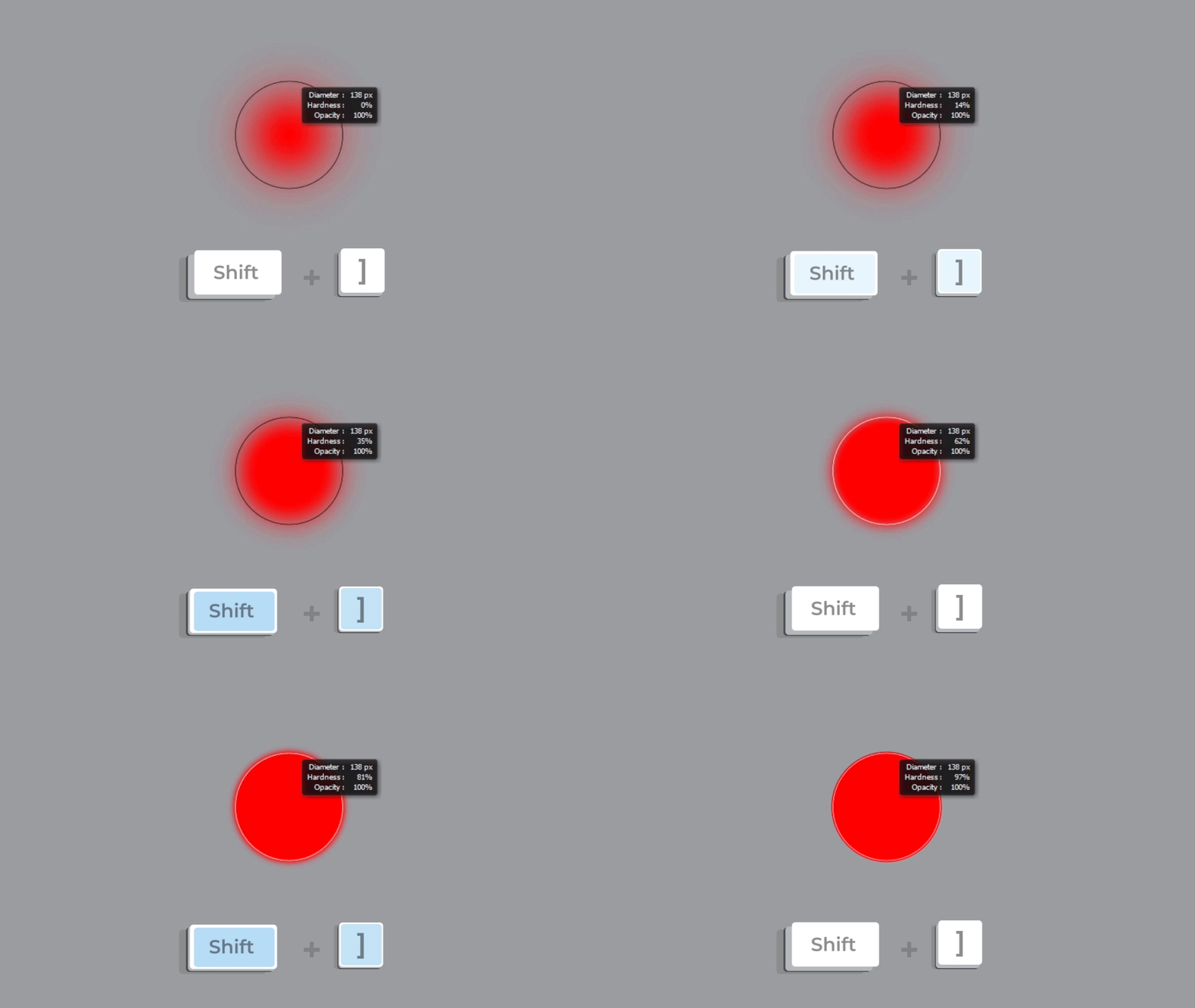
  • Increase Brush Size: Press the right bracket key ] to make your brush larger.
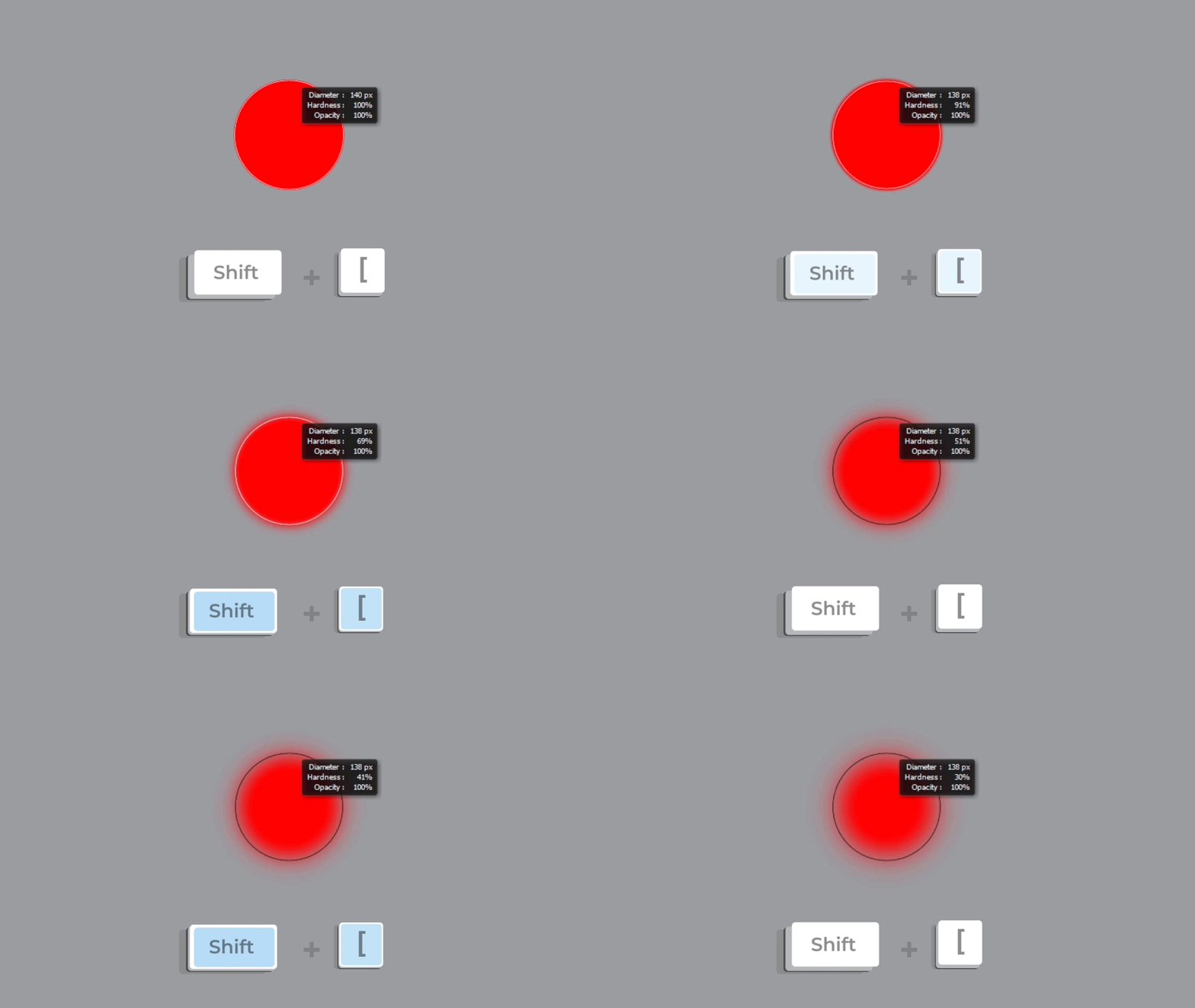
  • Decrease Brush Size: Press the left bracket key [ to make your brush smaller.
How to Change Brush Size in Photoshop

Method 2: Using the Mouse or Trackpad (HUD)

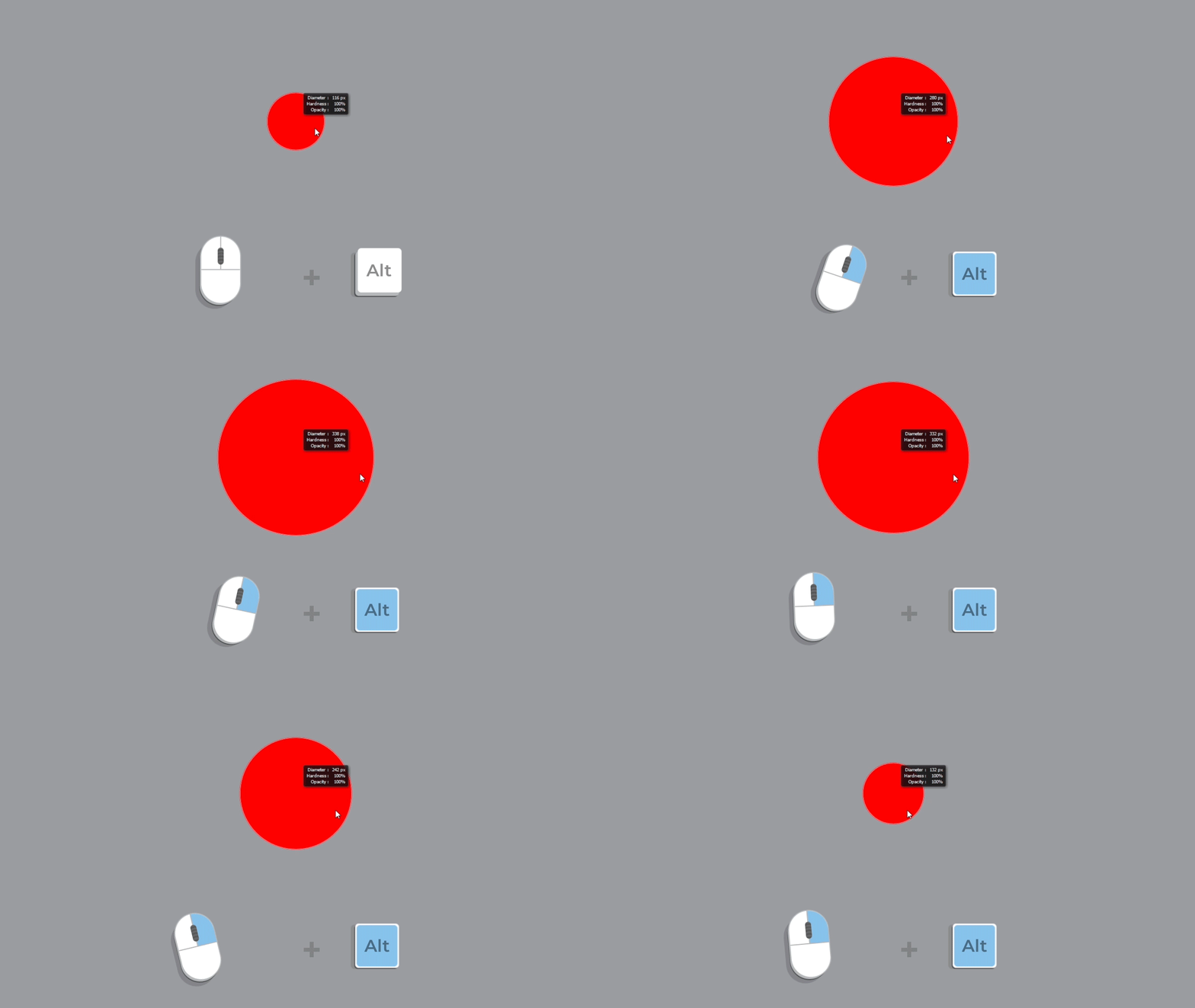
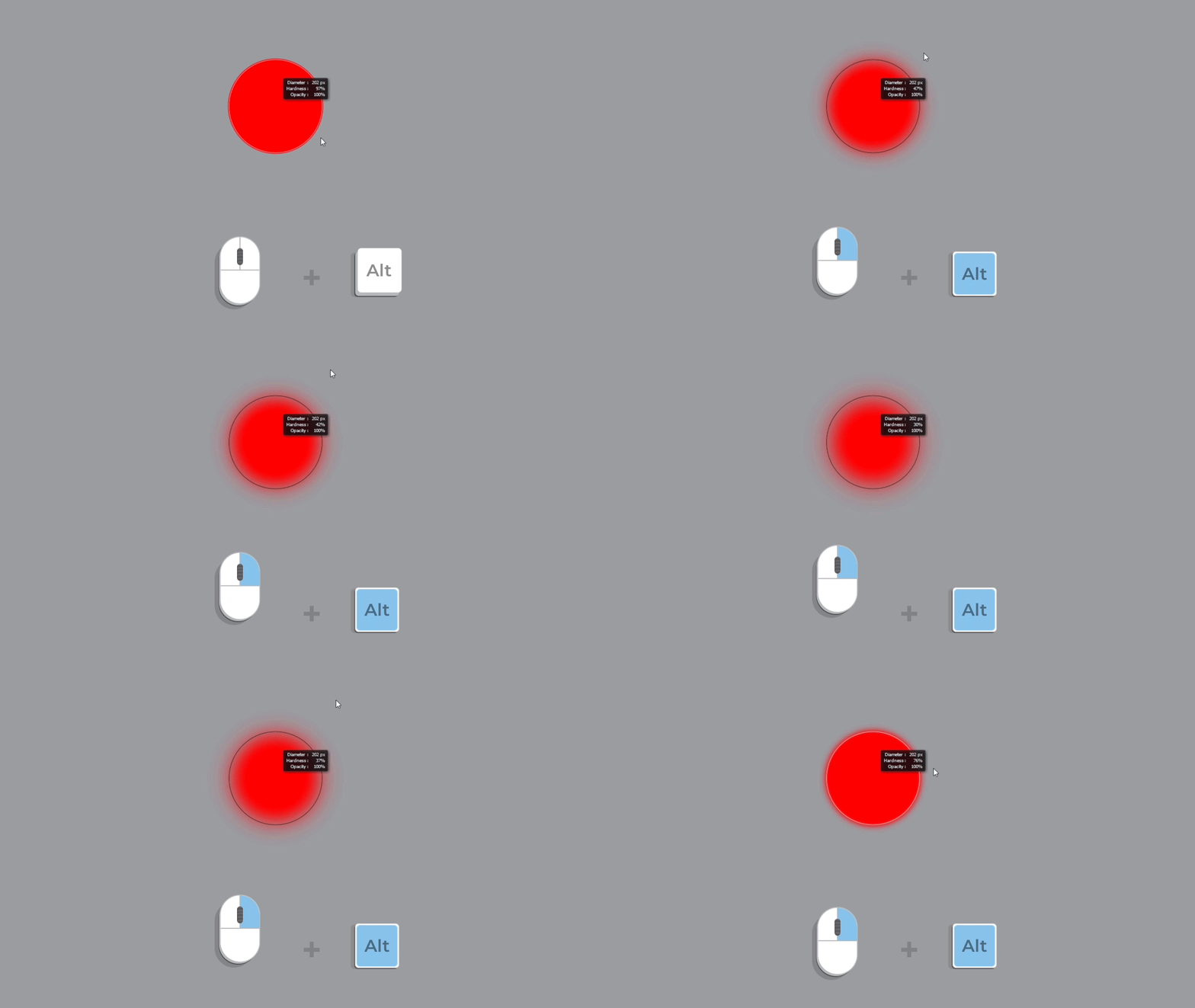
Photoshop also offers a heads-up display (HUD) for changing brush size with a mouse or trackpad.

  1. Activate the Brush Tool: Press B to select the brush tool.
  2. HUD Controls:
    • On Windows: Hold Alt + Right Click (then drag left/right to change size).
    • On Mac: Hold Control + Option (then drag left/right to change size).

On Windows: Hold Alt + Right Click and drag up/down to change the brush hardness.

On Mac: Hold Control + Option and drag up/down to change the brush hardness.
Method 3: Using Keyboard Shortcuts for Precision

For more precise control, you can use these keyboard shortcuts:

  1. Change Brush Size Gradually:
    • Increase Size: Press Shift + ]
How to Change Brush Size in Photoshop

Decrease Size: Press Shift + [

How to Change Brush Size in Photoshop
Wrap-Up

Adjusting brush size and hardness in Photoshop efficiently can revolutionize your creative workflow.

Whether you’re using shortcuts or traditional methods, staying in the zone is key.

Explore our brushes to take your art to the next level.

Dive into a world of endless possibilities and let your creativity shine!
Happy creating! 🎨
How to Paint Stunning Ocean Waves in Photoshop

How to Paint Stunning Ocean Waves in Photoshop

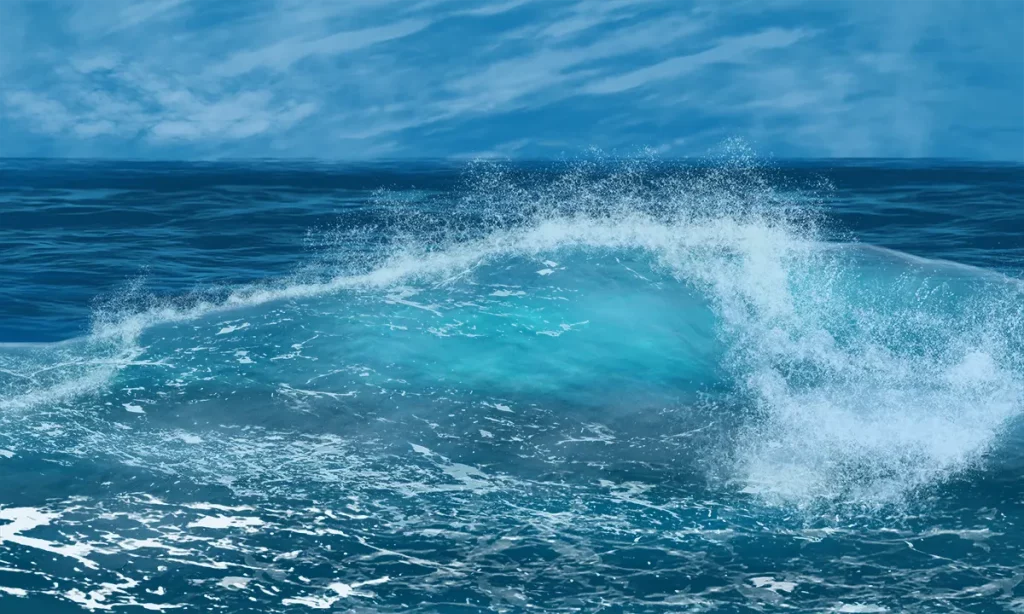
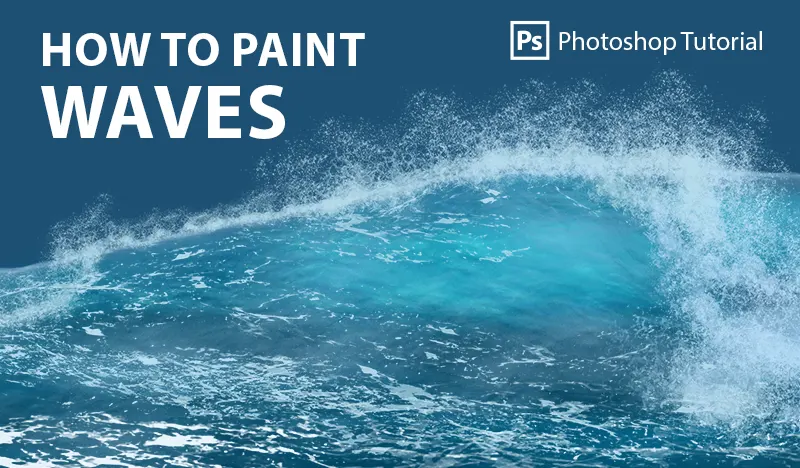
Ever wondered how to capture the mesmerizing movement of ocean waves in your digital art? Painting realistic ocean waves can seem daunting, but with the right tools and guidance, anyone can master this art form. In this comprehensive guide, we’ll walk you through the entire process of painting ocean waves in Photoshop, from setting up your workspace to adding those final, intricate details that make your waves come alive. We’ll be using our custom brush sets designed specifically for painting ocean waves, ensuring that even beginners can achieve professional-quality results. You’ll learn how to create the gentle ebb and flow of a calm sea as well as the dramatic crashes of stormy waves. By the end of this guide, you’ll have the skills and confidence to bring the beauty of the ocean to your digital canvas. Ready to dive in? Let’s get started with the essentials and discover the joy of painting ocean waves in Photoshop from scratch!

Tutorial Assets

Waves Brushes

Before you start painting, you’ll need to import your custom ABR brushes into Photoshop.

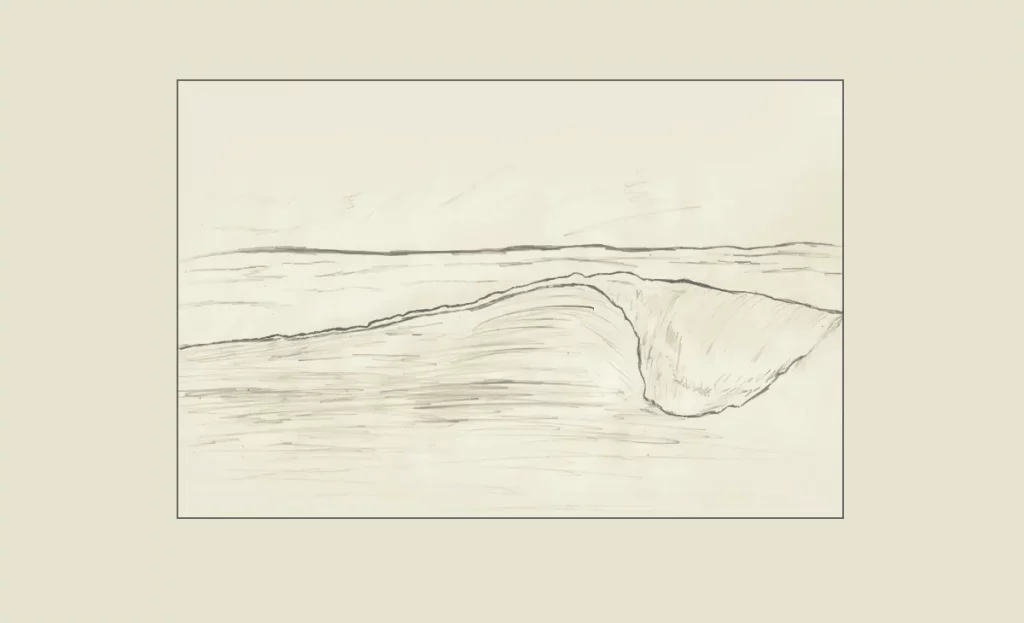
Step 1: Draw a Quick Sketch of the Wave

Before diving into the detailed painting process, it’s crucial to have a clear vision of the wave you want to create.
A quick sketch serves as a foundation, helping you to map out the overall shape and movement of the wave.
Here’s how you can get started: – This is an example of a quick wave sketch to get you started.

This initial sketch will serve as a road map for the rest of your painting process. Don’t worry about making it perfect; it’s just to give you an idea of the wave’s structure and flow.

Step 2: Select the Color of the Waves

Choosing the right color palette is essential for creating realistic and visually appealing ocean waves. For detailed guidance on how to select colors from images, be sure to read our article How to Select a Color Palette from Images.”

For this tutorial, I’ll use these colors:

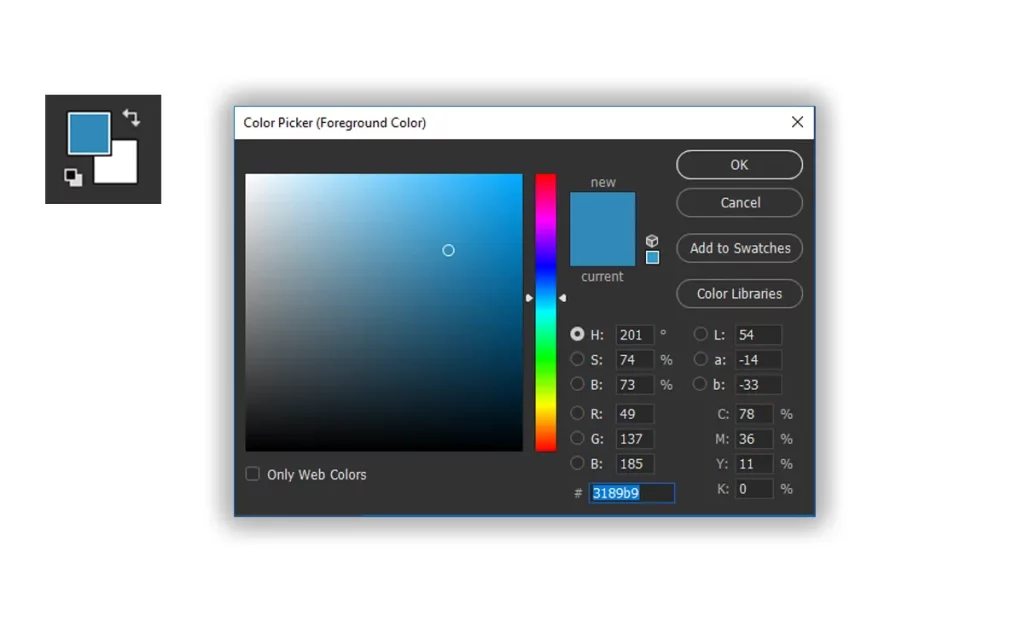
  • Background: #3189b9
  • Peak: #7fb9dd
  • Face Wave: #7fb9dd
  • Splash / Foam: #cae5f0
  • Lighten #5c9a9f
  • Bright Color: #38a8bb
  • Ocean Base: #053d62
  • Ocean Highlight: #20749c
  • Cloud: #69add9

Next, let’s set up our new document:

  1. Open Photoshop: Launch Photoshop on your computer.
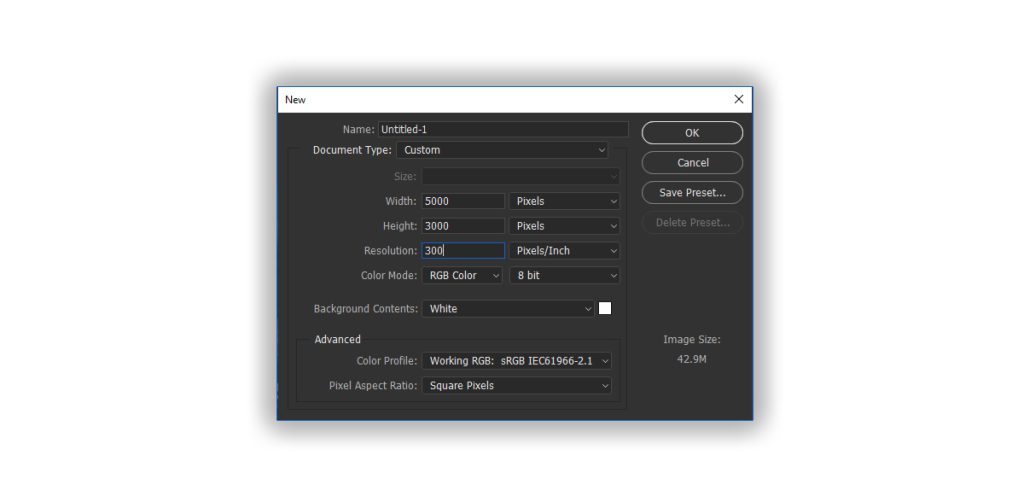
  2. Create a New Document: Go to File > New to open the New Document dialog box.

Open a New Document in Photoshop at 5000 x 3000 pixels and 300 dpi.

Step 3: Fill the Background

To create a visually appealing base for your ocean waves, let’s fill the background of our canvas with a suitable color.

  • Select the Paint Bucket Tool: In the toolbar on the left, select the Paint Bucket Tool (G). If you can’t see it, right-click on the Gradient Tool to find it.
  • Choose Your Background Color: Click on the Foreground color at the bottom of the toolbar to open the Color Picker. Enter the hex code #3189b9.
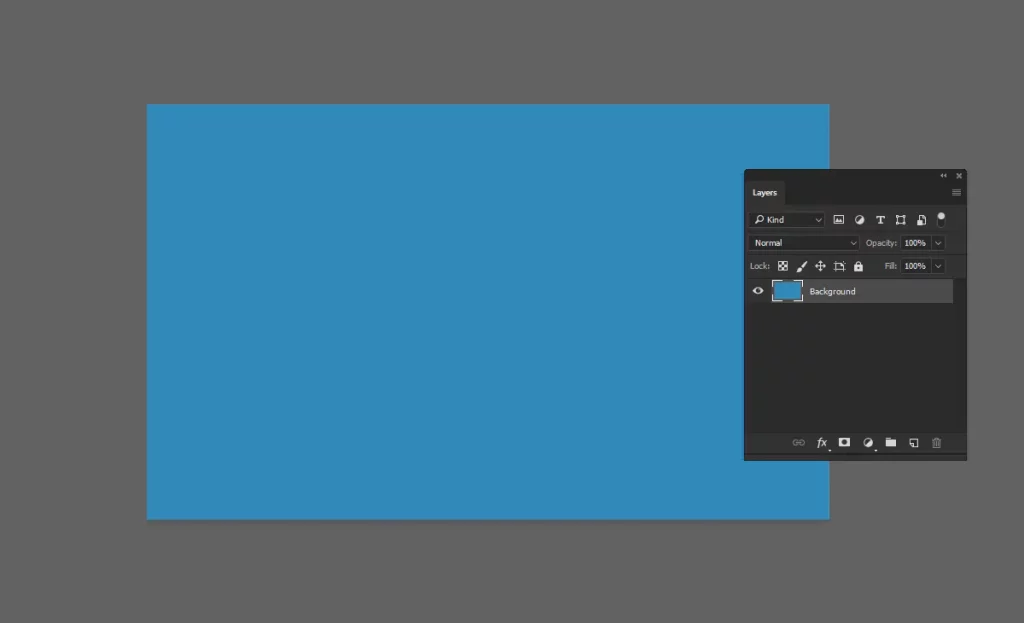
  • Fill the Background: Click anywhere on the blank canvas to fill it with the chosen color.

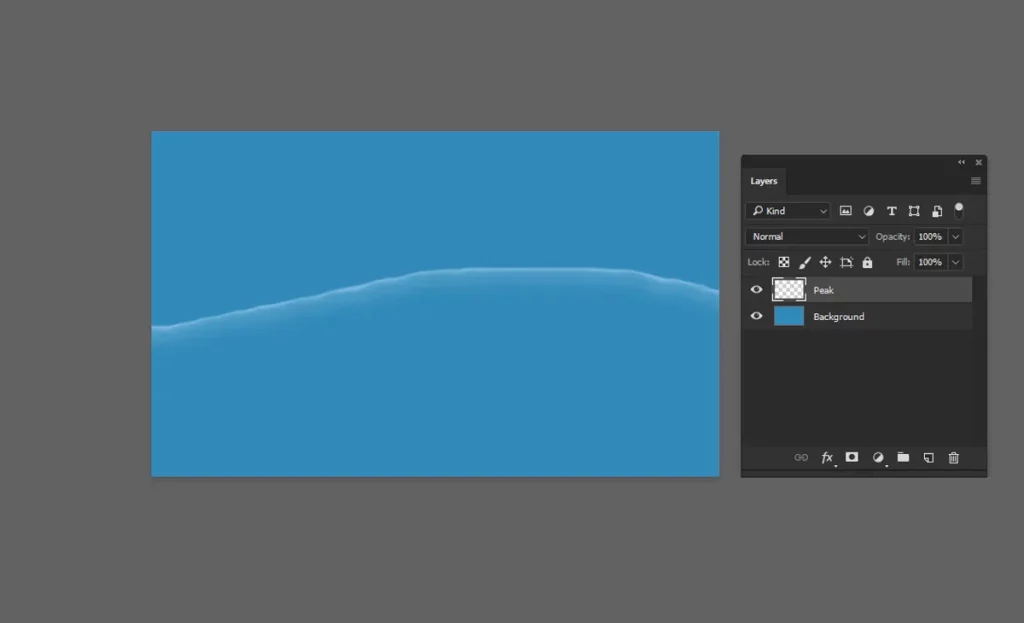
Step 4: Paint the Peak

The peak is the topmost part of the wave, following the direction we sketched earlier. This is where the wave starts to crest, creating a beautiful highlight that gives the wave its dynamic appearance.

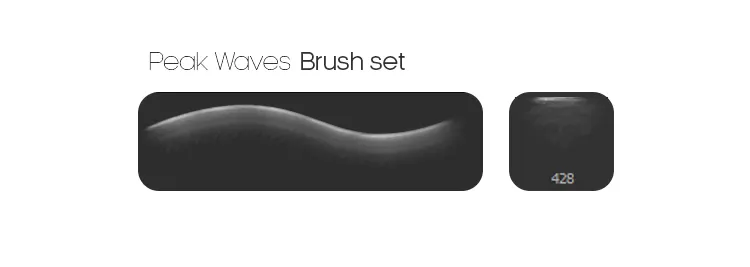
  • Select the Peak Brush: From your custom brush pack, choose the brush designed specifically for painting the peak of the wave.
  • Choose Your Peak Color: Set the Foreground color to #7fb9dd. This color will help highlight the peak and add a sense of light and depth.
  • Paint the Peak: Using the selected brush, carefully paint along the top of your wave sketch. Follow the natural curve and direction of the wave. This will help emphasize the movement.

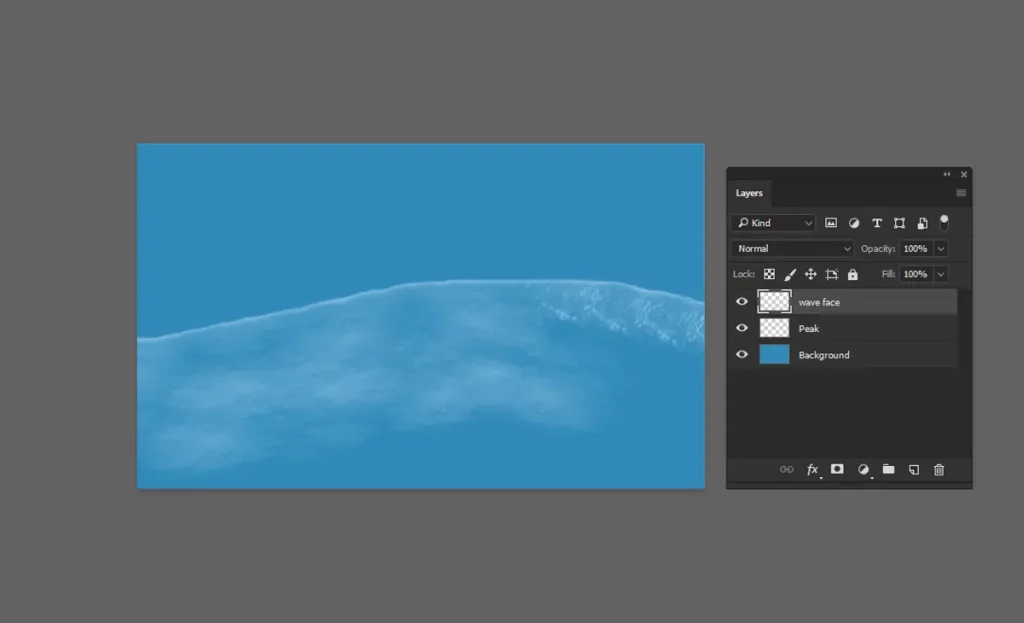
Step 5: Paint the Face of the Wave

Adding depth to your wave involves painting the face, which is the forward-facing part of the wave that catches light differently. Here’s how to do it:

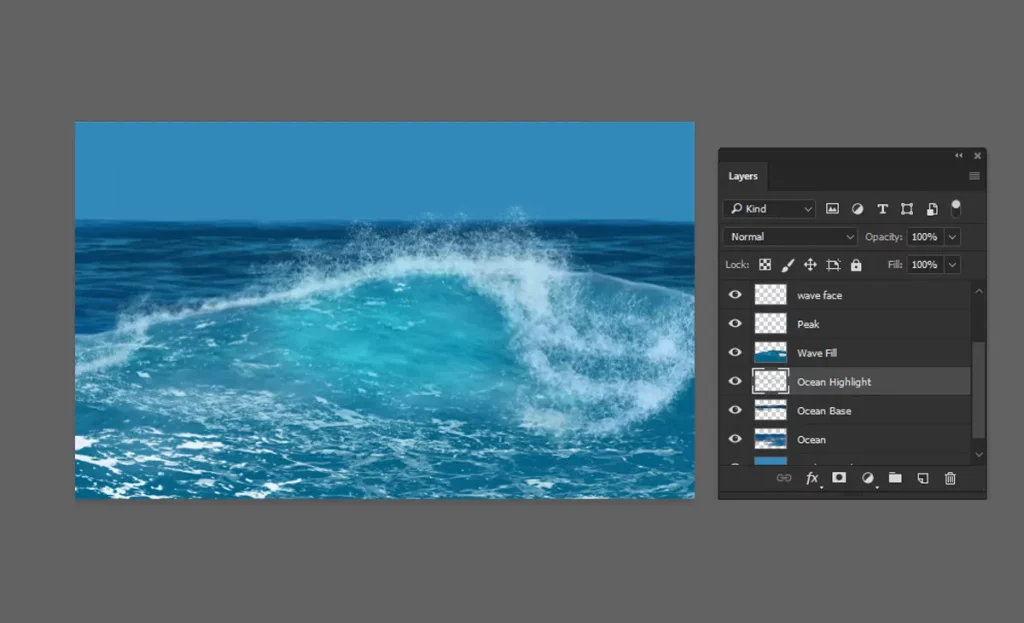
  • Create a New Layer: In the Layers panel, click the New Layer icon to create a new layer above your background layer. This keeps your edits non-destructive and allows for easier adjustments later.
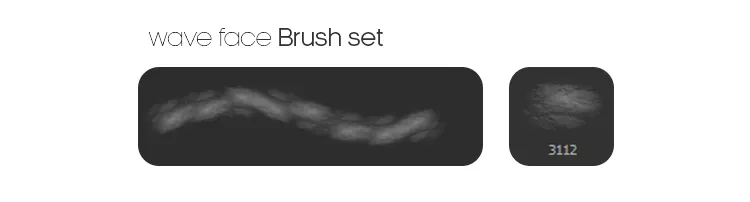
  • Select the Face Brush: From your custom brush pack, select the brush designed for painting the face of the wave. These brushes are tailored to create the smooth, flowing texture of the wave’s face.
  • Set Your Color: Use the same color as the peak, #7fb9dd , to maintain color harmony in your artwork.
  • Paint the Face of the Wave: Using the selected brush, paint the face of the wave, following the contours and direction of your initial sketch. Take your time to build up the color and texture, creating a sense of volume and movement.
  • Explore Different Brushes: Don’t forget to explore other face brushes in your pack to paint different types of waves. Each brush can offer a unique texture and style, enhancing the overall realism of your ocean scene.
How to Paint Stunning Ocean Waves in Photoshop

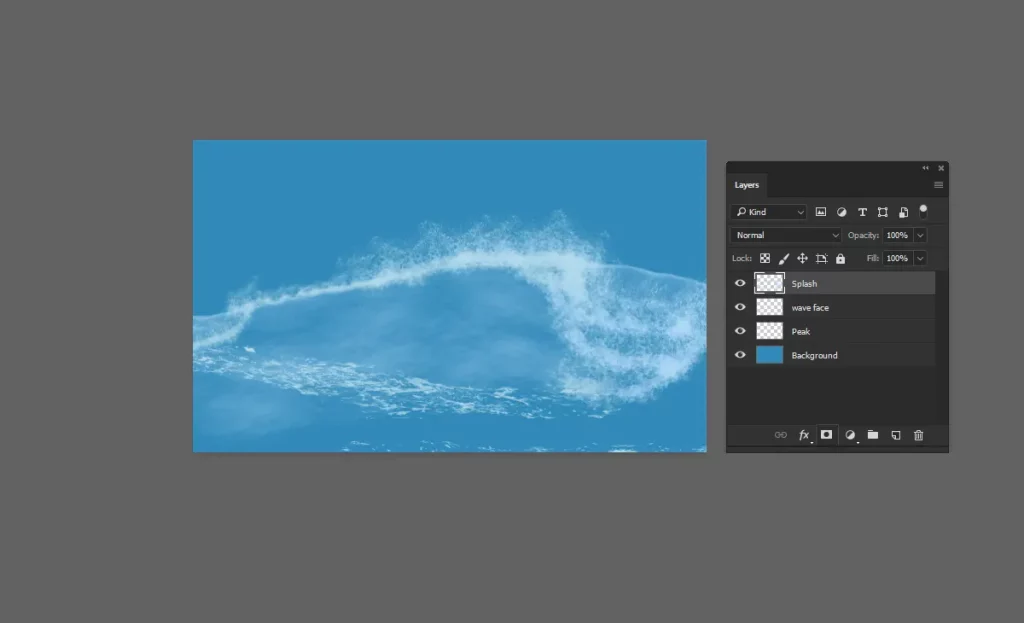
Step 6: Paint the Splash

The splash of the wave is where the water breaks and sprays, creating a foamy, dynamic texture. Here’s how you can paint the splash:

  • Create a New Layer: In the Layers panel, click the New Layer icon to create a new layer above your existing ones. This will keep your splash separate from the rest of your painting, making it easier to adjust.
  • Select the Splash Brush: From your custom brush pack, select the brush designed for painting the splash. This brush is versatile and can paint in any direction, allowing for dynamic and realistic wave splashes.
How to Paint Stunning Ocean Waves in Photoshop
  • Choose Your Splash Color: Set the Foreground color to #cae5f0, which is perfect for highlighting the splash of the wave.
  • Paint the Splash: Using the selected brush, follow the direction of your initial sketch to paint the splash. Focus on the areas where the wave starts to break, adding details and texture to create the appearance of foam and movement. The brush should be able to follow the natural flow of the wave, enhancing the realistic look.
How to Paint Stunning Ocean Waves in Photoshop

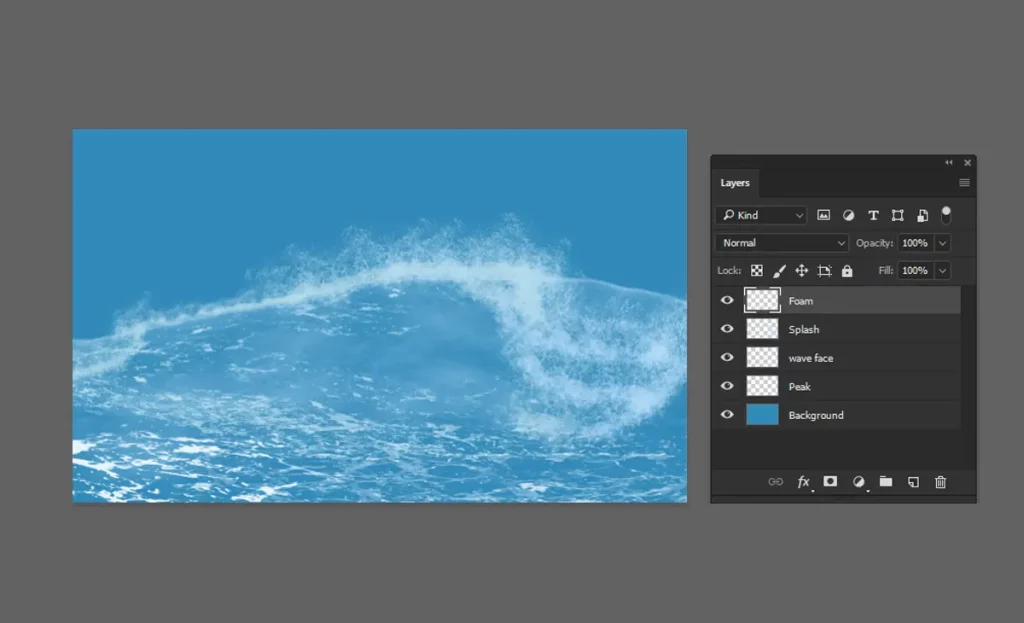
Step 7: Paint the Foam

Adding foam to the wave will give it that extra touch of realism and movement. Here’s how you can do it:

  • Create a New Layer: In the Layers panel, click the New Layer icon to create a new layer above your existing ones. This keeps your foam separate and easily adjustable.
  • Select the Foam Brushes: From your custom brush pack, select a brush designed specifically for painting foam. There are various foam brushes in the pack, so feel free to experiment with different ones to achieve the desired effect.
How to Paint Stunning Ocean Waves in Photoshop
  • Use the Same Color: Set the Foreground color to #cae5f0, the same color used for the crest. This ensures consistency in your wave’s highlights.
  • Paint the Foam: Using the selected brush, paint along the crest and the face of the wave to create the appearance of foam. Focus on areas where the water breaks and churns, adding small details to enhance the sense of movement and texture.

By adding foam, your wave will look more dynamic and realistic, capturing the natural beauty of the ocean.

How to Paint Stunning Ocean Waves in Photoshop

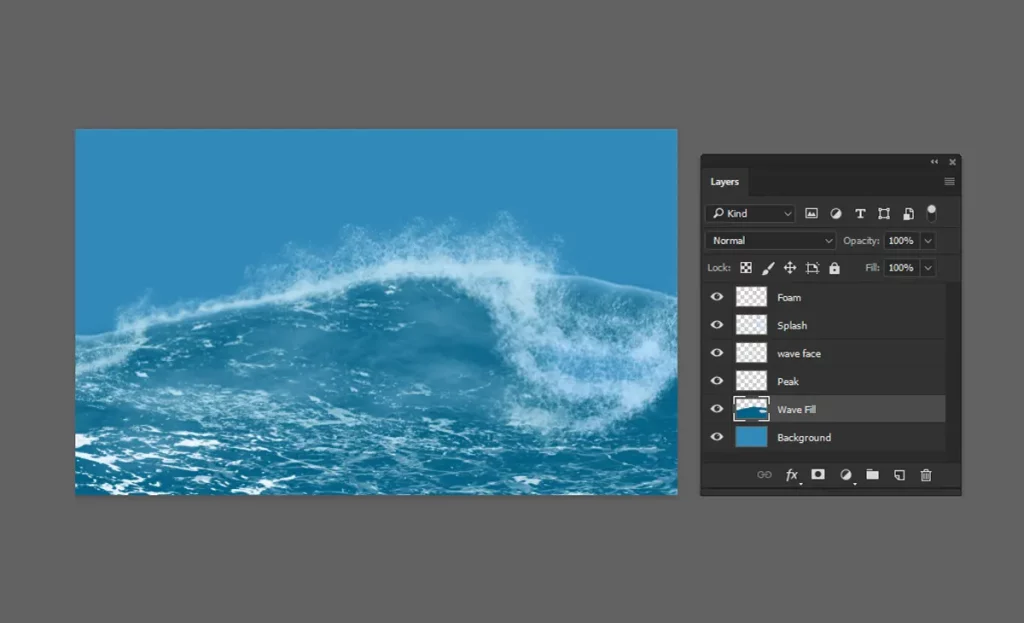
Step 8: Paint the Wave Fill

To add more depth and contrast to your wave, we’ll paint the inner wave area. This will help define the wave’s body and enhance its overall look.

  • Create a New Layer: In the Layers panel, click the New Layer icon to create a new layer. Drag this layer below the peak layer in the layer stack.
  • Select the Wave Fill Color: Set the Foreground color to #036185. This deep Ocean Blue will provide a strong contrast against the highlights of the wave.
  • Paint the Inner Wave: Using a suitable brush from your custom brush pack, paint the inner wave area. Focus on filling the main body of the wave, following the curves and directions of your initial sketch. This will give your wave a more solid and three-dimensional appearance.

By adding this base color, your wave will have a stronger structure and a striking contrast that highlights the movement and power of the ocean.

How to Paint Stunning Ocean Waves in Photoshop

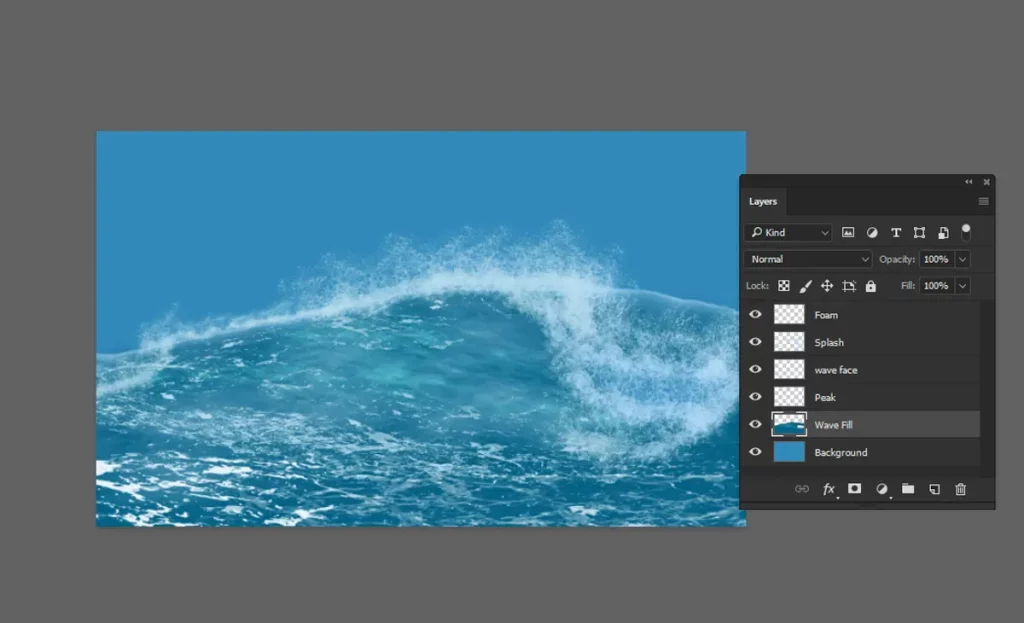
Step 9: Paint the Bright Color on the Same Layer

Adding brighter colors can enhance the highlights and make the wave look more dynamic. Let’s paint these highlights to bring out the detail and contrast.

  • Select the Face Wave Brush: From your custom brush pack, choose the brush designed for painting the face of the wave.
  • Choose the Bright Color: Set the Foreground color to #38a8bb (Sky Blue). This color will work well to add highlights and make the wave appear more vibrant.
  • Paint the Bright Highlights: On the same layer where you painted the inner wave, use the face wave brush to add touches of the bright color. Focus on areas that would naturally catch the light, such as the upper parts of the wave’s face and near the crest.
How to Paint Stunning Ocean Waves in Photoshop

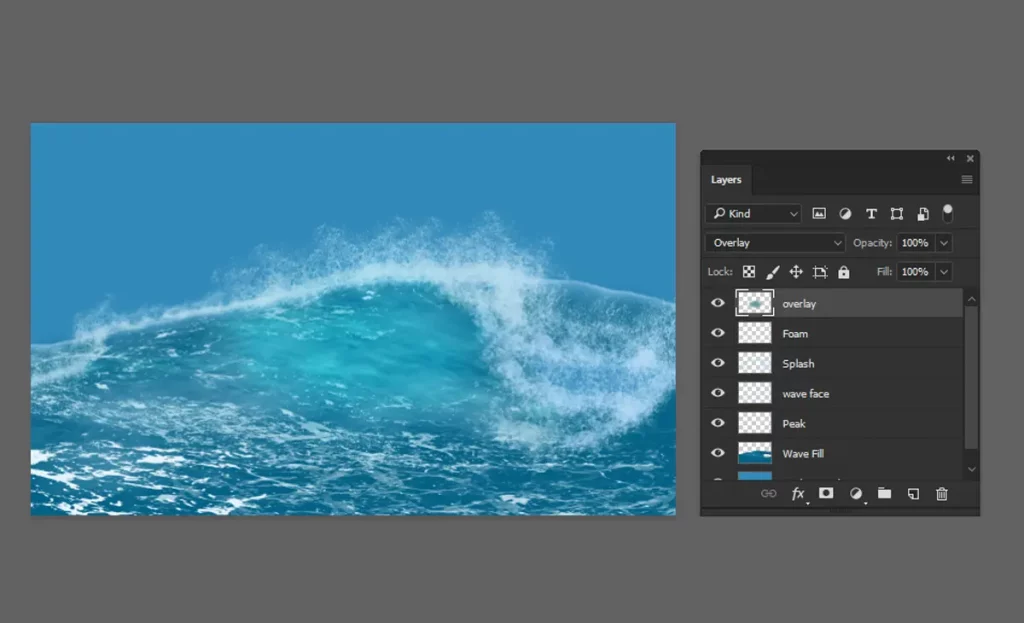
Step 10: Create an Overlay Layer to Lighten the Area

To enhance the lighting and add a more dynamic look to your wave, we’ll use an overlay layer. This will make certain areas appear lighter and more vibrant.

  • Create a New Layer: In the Layers panel, click the New Layer icon to create a new layer above your existing layers.
  • Set the Layer Mode to Overlay: Change the blending mode of this new layer to Overlay. This will allow the colors you paint to blend with the layers below, creating a lighter and more natural effect.
  • Choose the Overlay Color: Set the Foreground color to #5c9a9f. This Soft Aqua color will help to brighten the wave areas without overwhelming the existing colors.
  • Paint the Lighter Areas: Using a soft brush, gently paint over the areas of the wave where you want to add more light. Focus on the parts of the wave that naturally catch the most light, such as the peaks and the face of the wave. This will add a luminous effect and make the wave appear more dynamic.
How to Paint Stunning Ocean Waves in Photoshop

Step 11: Paint the Ocean

To complete your ocean scene, we’ll paint the vast expanse of the ocean using a base color and highlight color to add depth and dimension. For detailed guidance on painting the ocean, be sure to read our articleHow to Paint the Ocean.

  • Create a New Layer: In the Layers panel, click the New Layer icon to create a new layer. This will ensure that your ocean painting remains separate from the wave details.
  • Choose the Base Color: Set the Foreground color to #053d62.
  • Paint the Base Layer: Using a large, soft brush, paint the entire ocean area with the base color. This will create a solid foundation for your ocean.
  • Select the Highlight Color: Change the Foreground color to #20749c. This color will add highlights and enhance the overall depth of your ocean.
How to Paint Stunning Ocean Waves in Photoshop

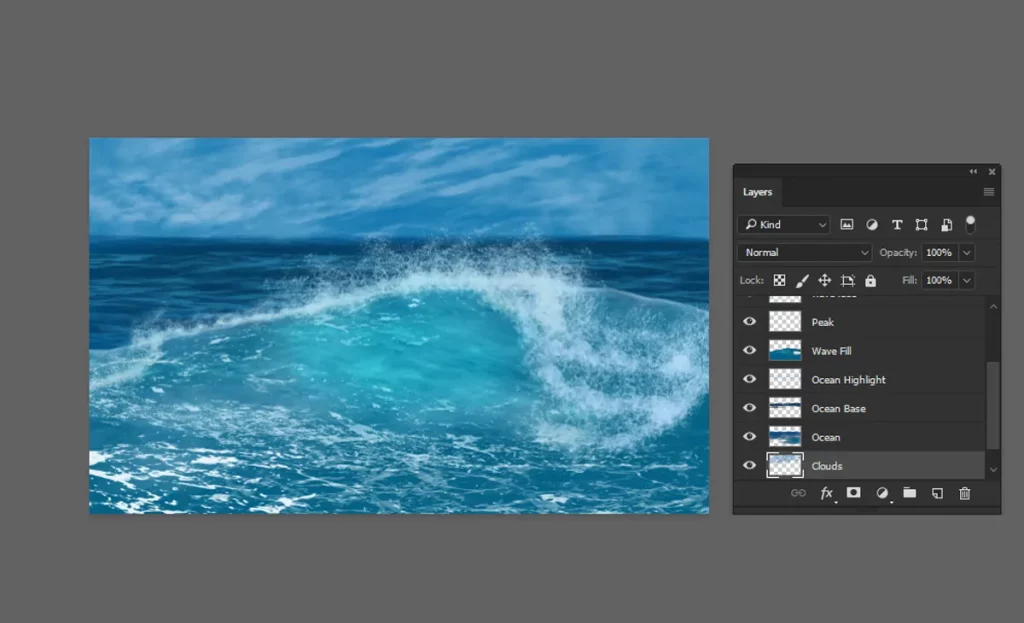
Step 12: Paint the Clouds

Adding clouds to your scene can create a more dynamic and atmospheric composition. Here’s how you can paint clouds in Photoshop:

  • Create a New Layer: In the Layers panel, click the New Layer icon to create a new layer above your existing layers. This will ensure that your clouds are separate from the ocean and waves.
  • Choose the Cloud Color: Set the Foreground color to #69add9. will give your clouds a light and airy appearance.
  • Select a Cloud Brush: From your brush pack, select a brush designed for painting clouds. Cloud brushes are typically soft and fluffy, allowing you to create realistic cloud shapes.
  • Paint the Clouds: Using the selected brush, gently paint the clouds in the sky area of your canvas. Start with broad strokes to define the overall shape of the clouds, then add smaller, detailed strokes to create texture and depth.

For detailed guidance on painting clouds, be sure to read our article How to Paint Clouds in Photoshop.

How to Paint Stunning Ocean Waves in Photoshop

How to Paint Clouds in Photoshop Using Custom Brushes

How to Paint Clouds in Photoshop Using Custom Brushes

Introduction

Creating realistic clouds in Photoshop can elevate your digital art to a new level. In this tutorial, we’ll guide you through the process of painting clouds using custom brushes. Whether you’re a beginner or an experienced artist, these techniques will help you achieve stunning results.

Step 1: Choosing the Right Brush

  1. Download My Brush Set: Click here to download the custom cloud brushes.
  2. Load the Brush: Open Photoshop, go to the Brush tool (B), click on the brush preset picker, and select “Load Brushes” to add your new cloud brushes.
  3. Choosing the Right Brush To paint clouds, custom brushes are essential. You can choose from our exclusive brush set, which offers a variety of cloud brushes to suit your needs:

Step 2: Setting Up Your Canvas

Start by opening Photoshop and creating a new document.
Set your dimensions according to your project needs. A good starting point is 2500x1520 pixels with a resolution of 300 DPI.

Step 3: Preparing the Background

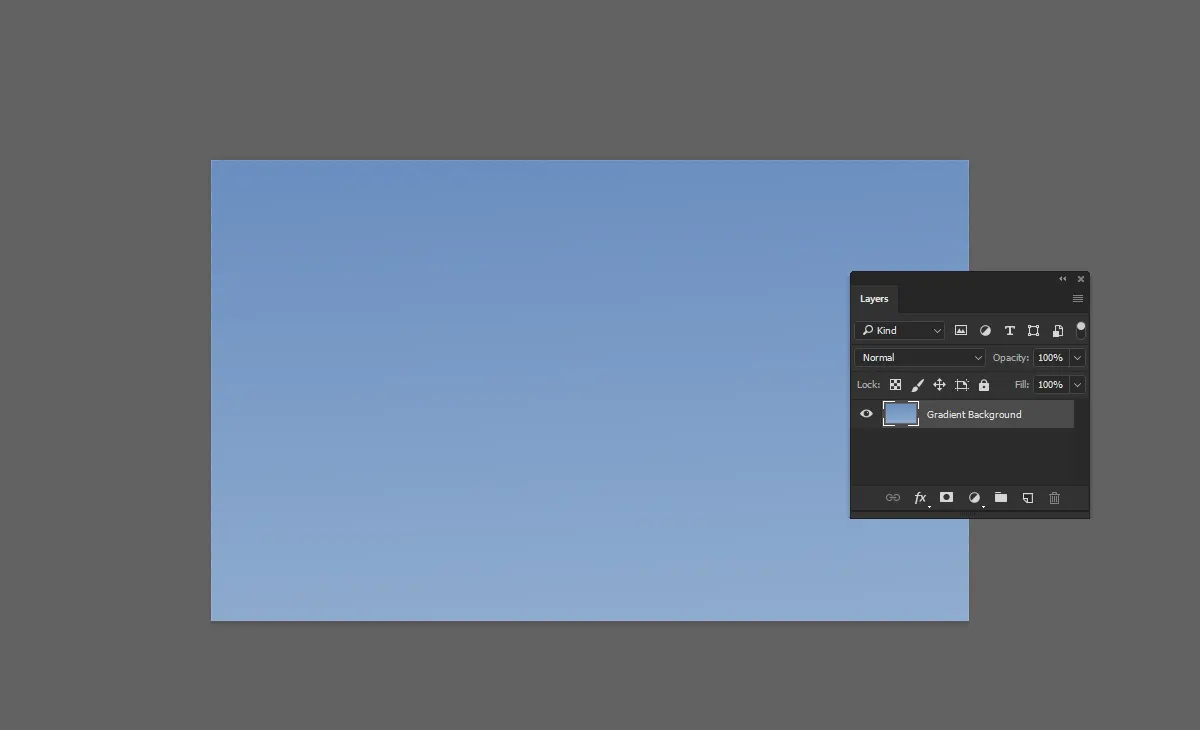
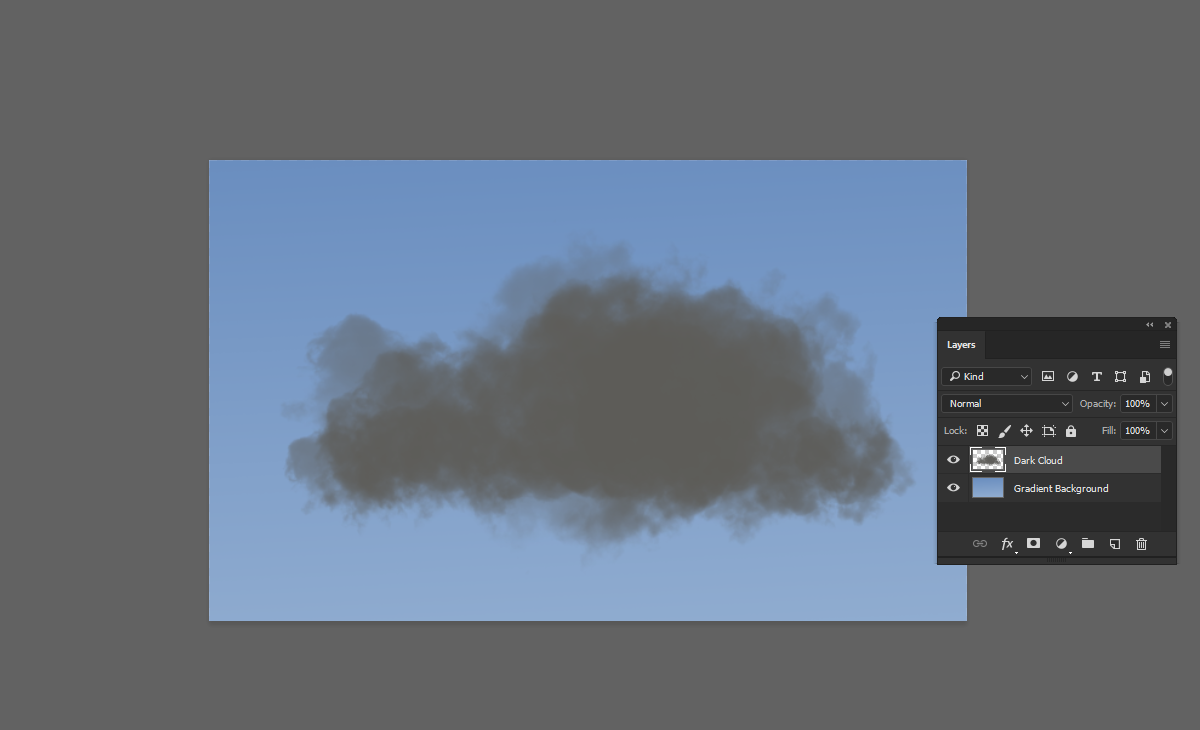
Before painting the clouds, prepare a suitable background. A gradient sky works great:

  1. Create a New Layer: Open Photoshop and create a new layer for the gradient background.
  2. Select the Gradient Tool: Choose the Gradient tool (G) from the toolbar.
  3. Choose Your Colors: Set your gradient to transition between the colors #5a81b8 and #8ca9ce.
  4. Apply the Gradient: Click and drag from the top to the bottom of your canvas to apply the gradient, creating a beautiful sky backdrop for your clouds.

Here’s the result.

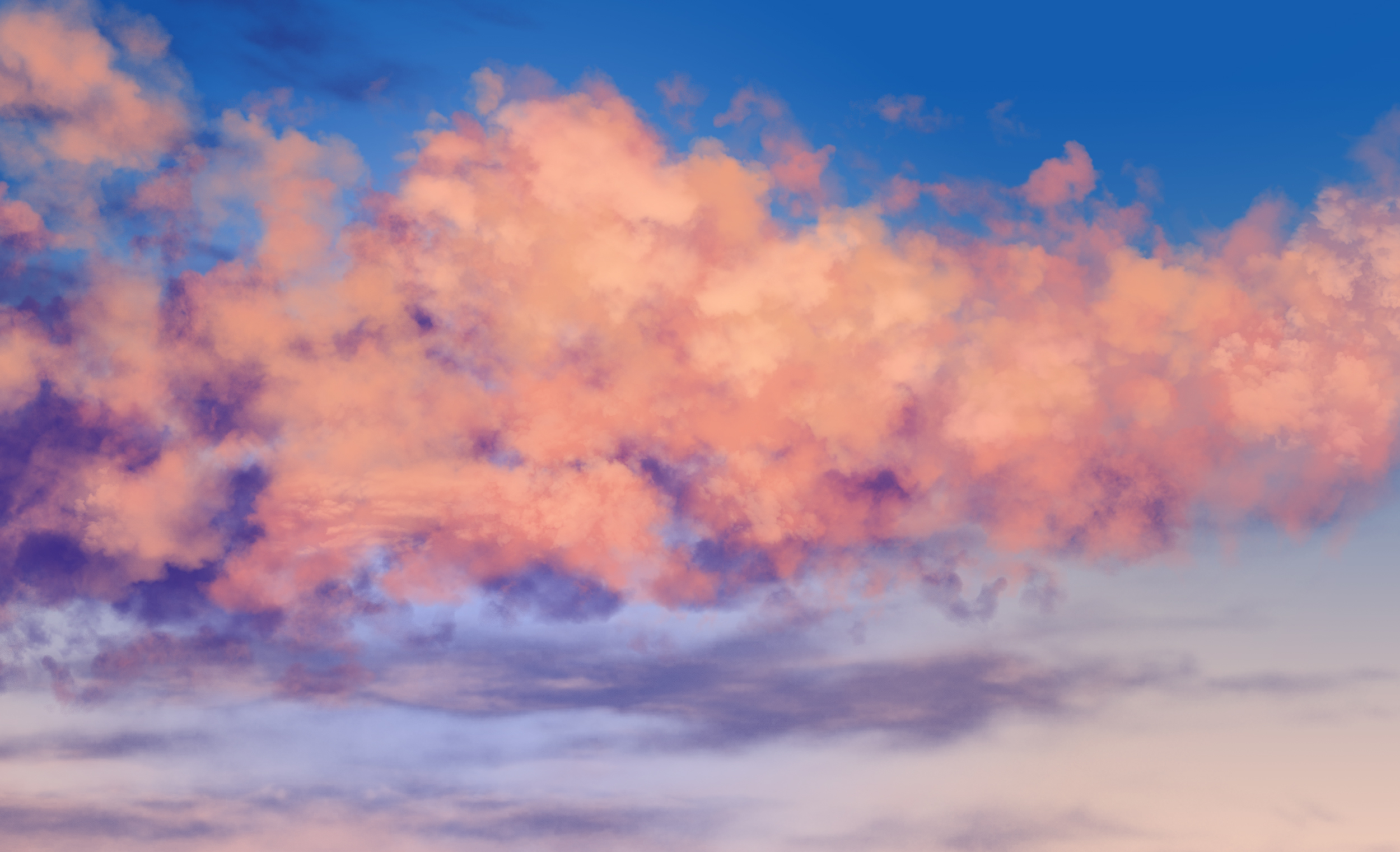
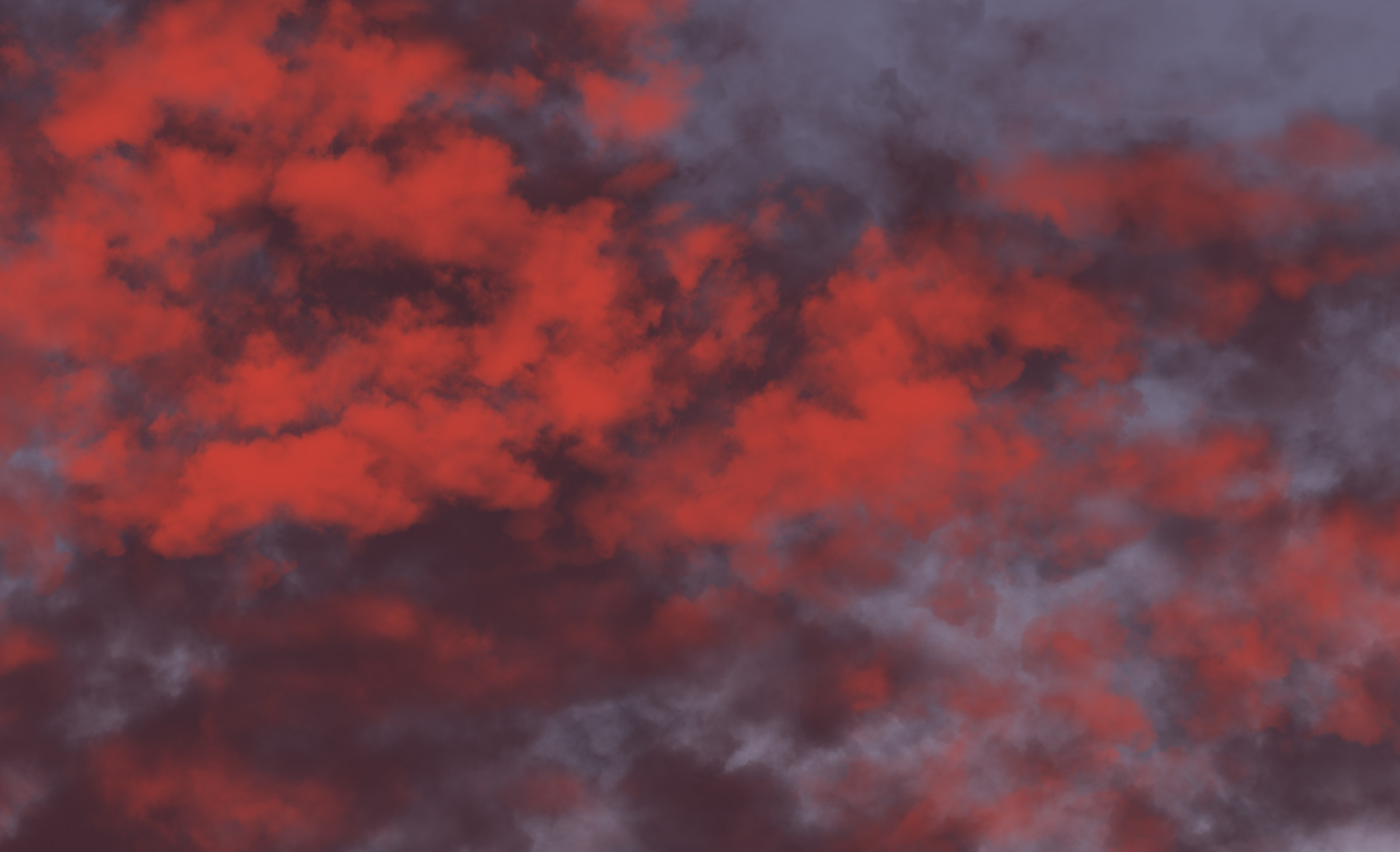
Different Examples of Results with Our Cloud Brush Set Using our custom cloud brush set, you can achieve a variety of cloud styles. Here are a few examples:

How to Paint Clouds in Photoshop Using Custom Brushes

Step 4: Painting the Shadow of the Clouds

To create realistic shadows for your clouds:

  1. Set the Foreground Color: Change your foreground color to #5d5c58.
  2. Paint the Shadows: paint the shadow areas of your clouds. Focus on the lower parts and the areas that would naturally be darker.
How to Paint Clouds in Photoshop Using Custom Brushes

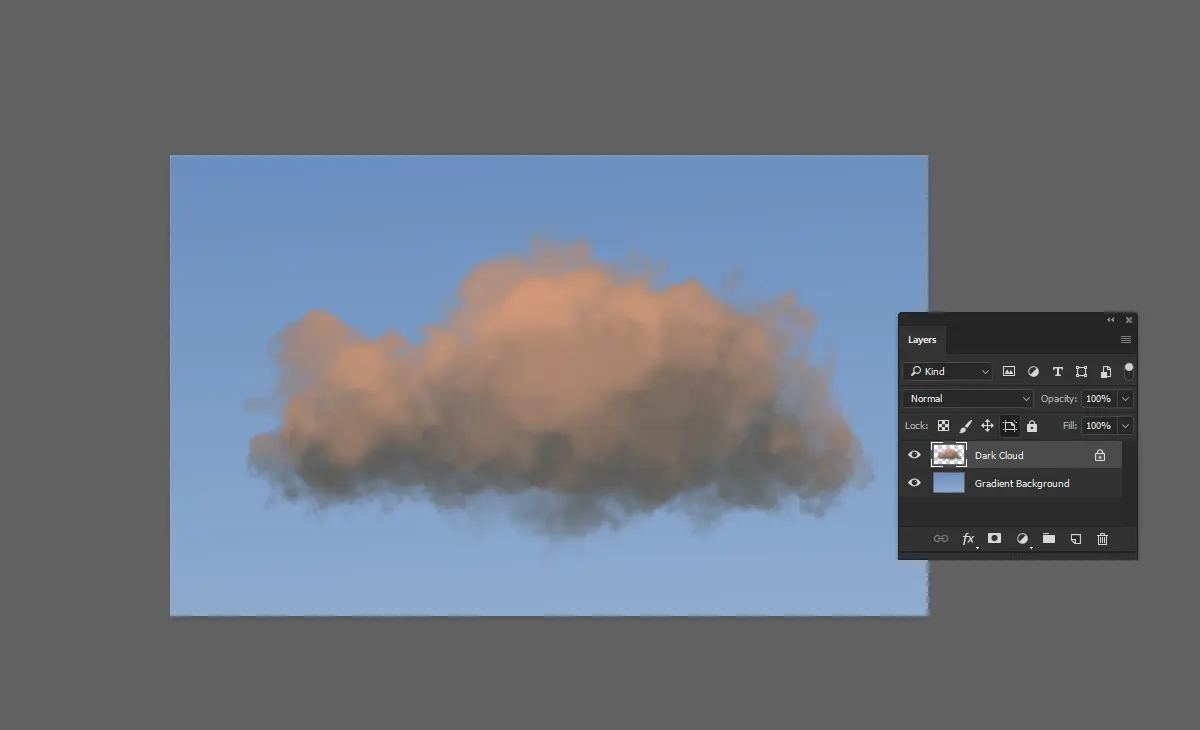
Step 5: Painting the Light of the Clouds

For adding highlights and enhancing the depth:

  1. Disable Auto-Nesting: Ensure that “Prevent Auto-Nesting into and out of Artboards” is selected.
  2. Set the Foreground Color: Change your foreground color to #eaac8a.
  3. Paint the Highlights: Using the same brush, paint the light areas of your clouds. Focus on the top and areas that catch the lightest to create inner shadows.

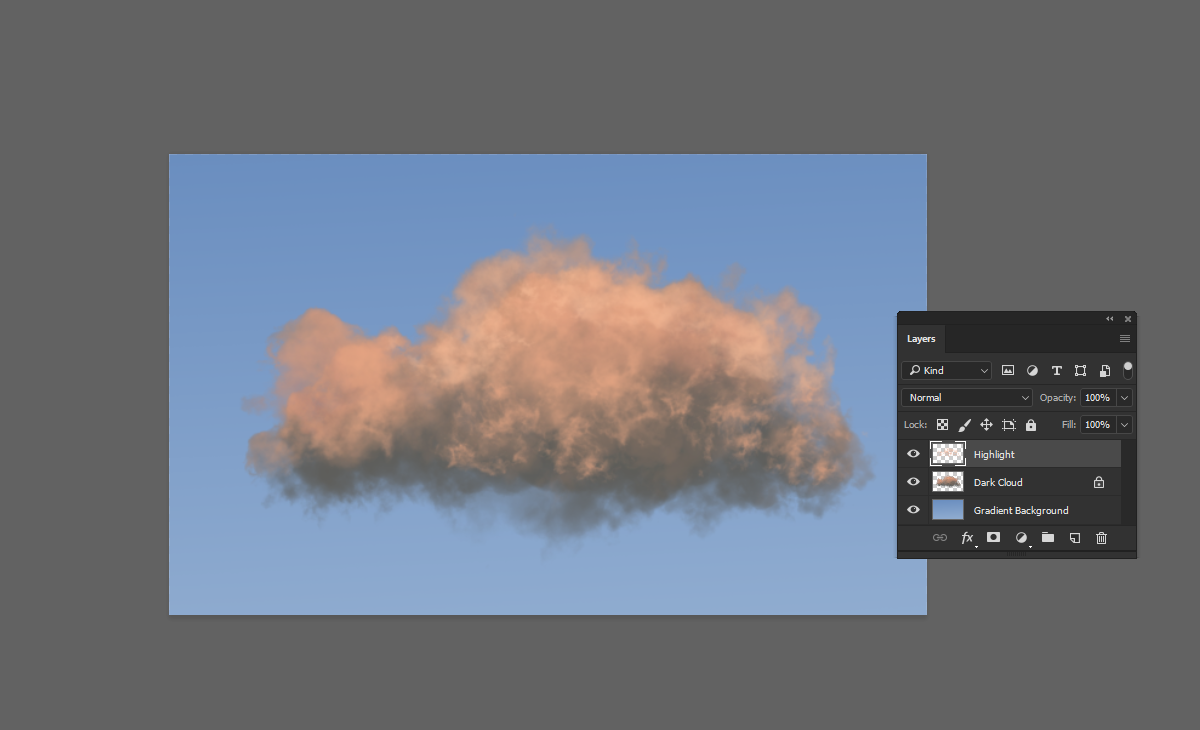
Step 6: Creating Highlights for the Clouds

To add highlights:

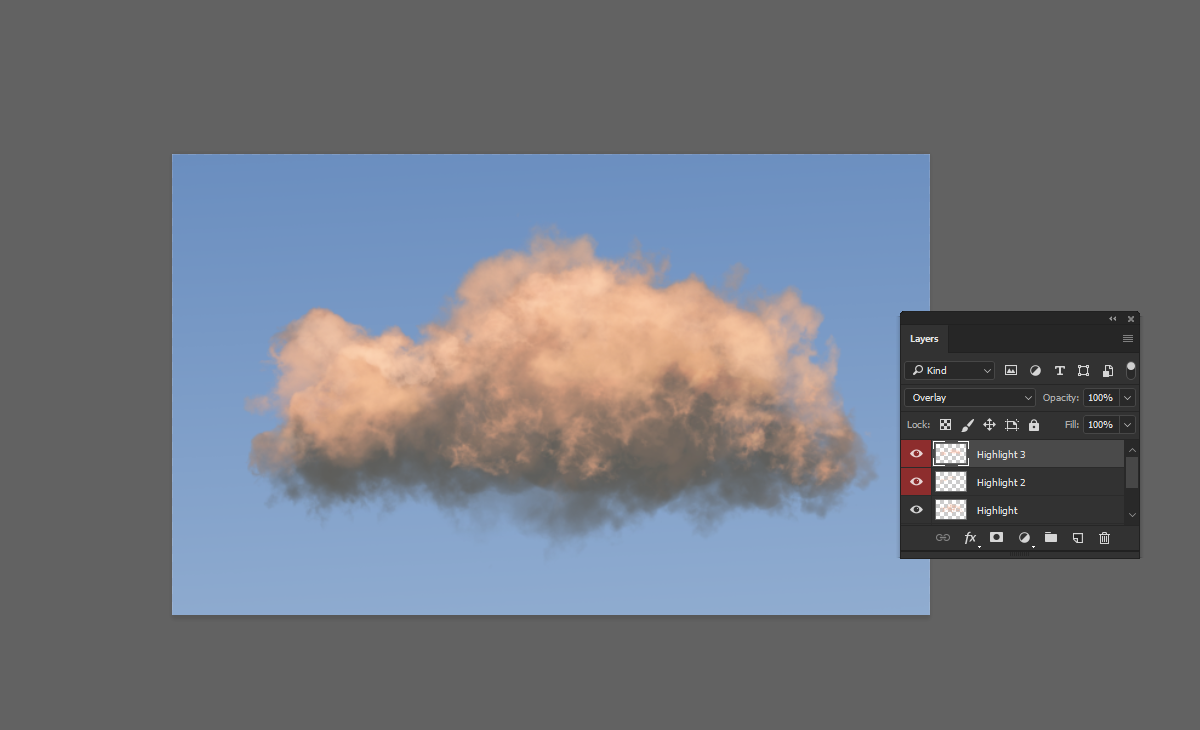
  1. Create a New Layer: Add a new layer and name it “Highlight”.
  2. Set the Foreground Color: Change your foreground color to #f9ccab.
  3. Paint the Highlights: paint the highlights on the top and edges of your clouds. This will add a glowing effect and enhance the realism.

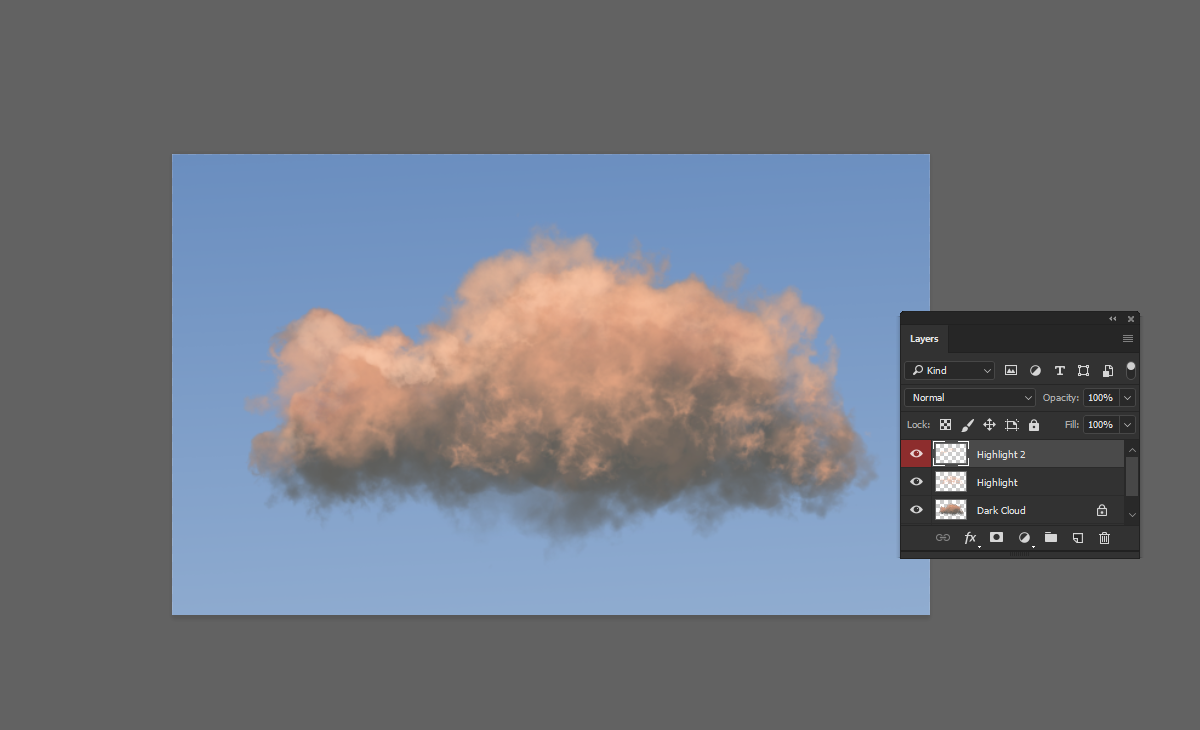
Step 7: Adding a Second Layer of Highlights

To enhance the highlights even more:

  1. Create a New Layer: Add a new layer and name it “Highlight 2”.
  2. Set the Foreground Color: Change your foreground color to #f9cdac.
  3. Paint the Second Layer of Highlights: gently paint additional highlights. Focus on the areas that you want to stand out the most, enhancing the glow and depth of your clouds.

With this step, your clouds should have a beautiful, layered effect with realistic lighting and shadows.

Step 8: Adding Directional Light Highlights

To define the direction of the light and add depth:

  1. Create a New Layer: Add a new layer and name it “Highlight 3”.
  2. Set the Foreground Color: Change your foreground color to #f1b099.
  3. Set Layer Mode to Overlay: Change the blending mode of this layer to “Overlay”.
  4. Paint the Highlights: paint the areas where the light would naturally hit. This will create a realistic direction of light and enhance the overall effect of your clouds.
How to Paint Clouds in Photoshop Using Custom Brushes

Check out these stunning examples created using our Cloud Brushes Vol. 3.
You can get them and start creating your own masterpieces!

How to Paint Clouds in Photoshop Using Custom Brushes

We hope you enjoyed this tutorial and found it helpful.

Happy creating!

How to Import Swatches in Photoshop

How to Import Swatches in Photoshop

Introduction

Swatches are an essential tool for any designer, providing a convenient way to maintain color consistency throughout your projects. Importing swatches in Photoshop allows you to quickly access your favorite color palettes. In this tutorial, we’ll walk you through the steps to import swatches in Photoshop.

Step 1: Prepare Your Swatch File

Before importing, ensure you have your swatch file ready.
Swatches are usually saved in. ASE (Adobe Swatch Exchange) or. ACO (Adobe Color) formats.

Step 2: Open Photoshop

Launch Photoshop and open any document or create a new one.

This will ensure the workspace is active and ready for importing swatches.

Step 3: Access the Swatches Panel

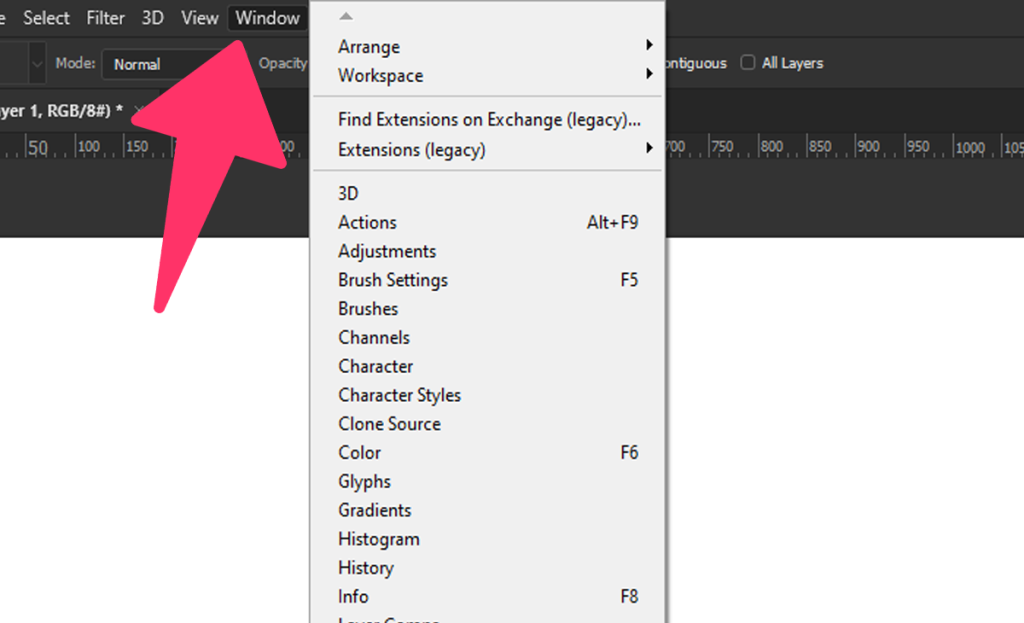
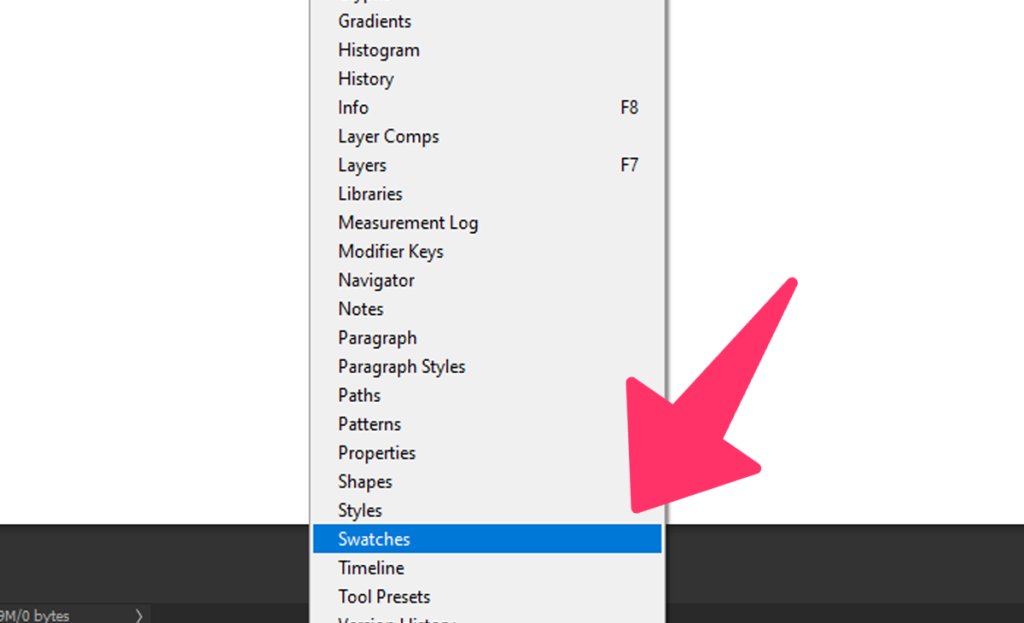
Open the Swatches Panel: Go to “Windows” in the top menu.


Select “Swatches” from the Windows menu.

How to Import Swatches in Photoshop

Step 4: Import Swatches

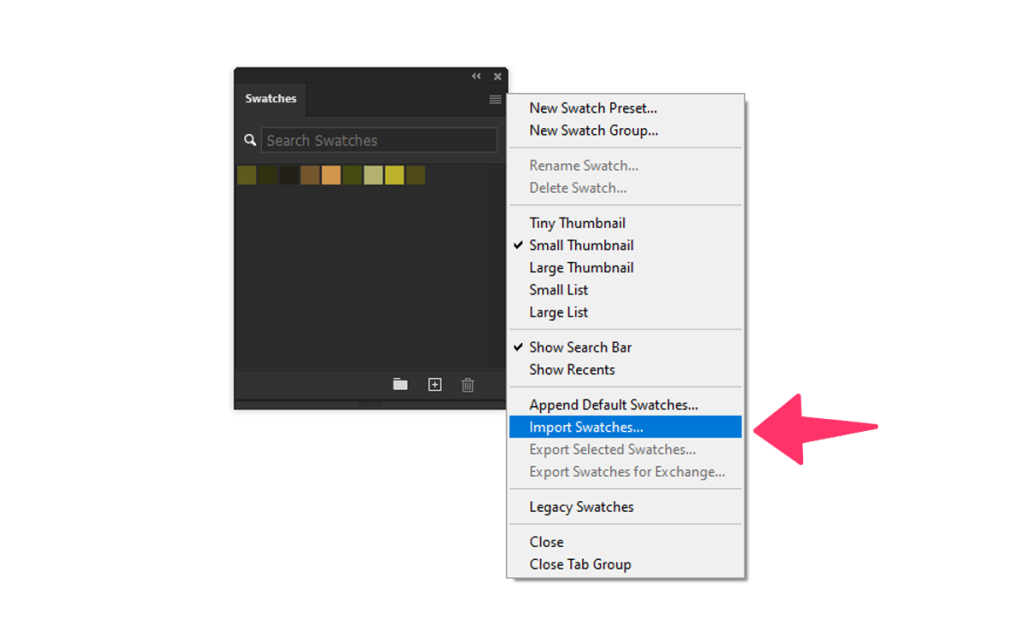
Open Swatch Panel Menu: Click on the menu icon (three horizontal lines) in the top-right corner of the Swatches panel.

How to Import Swatches in Photoshop

From the drop-down menu, select “Import Swatches.”

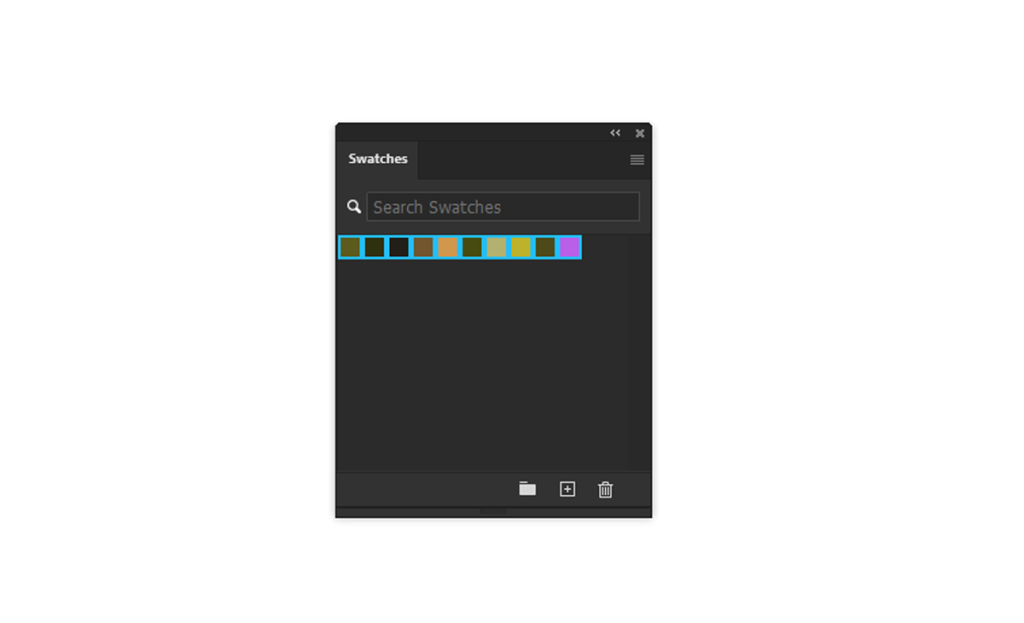
Locate Your Swatch File: Navigate to the folder where your swatch file is saved, select it, and click “Open.”

Step 5: Organize Your Swatches

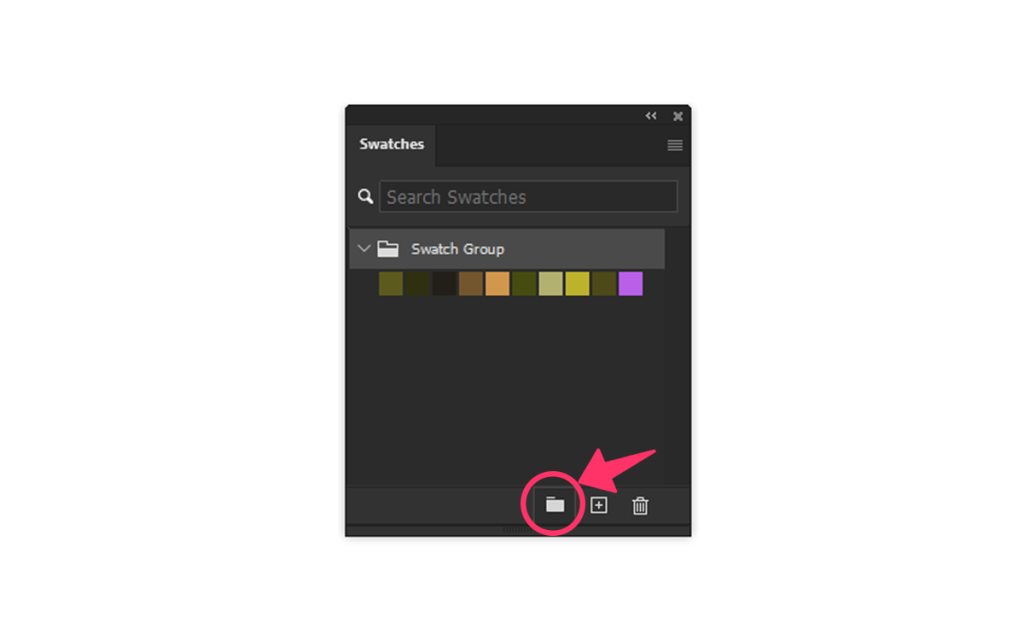
Create a Group of Colors: Select multiple swatches by holding down the Shift key and clicking on the colors you want to group.

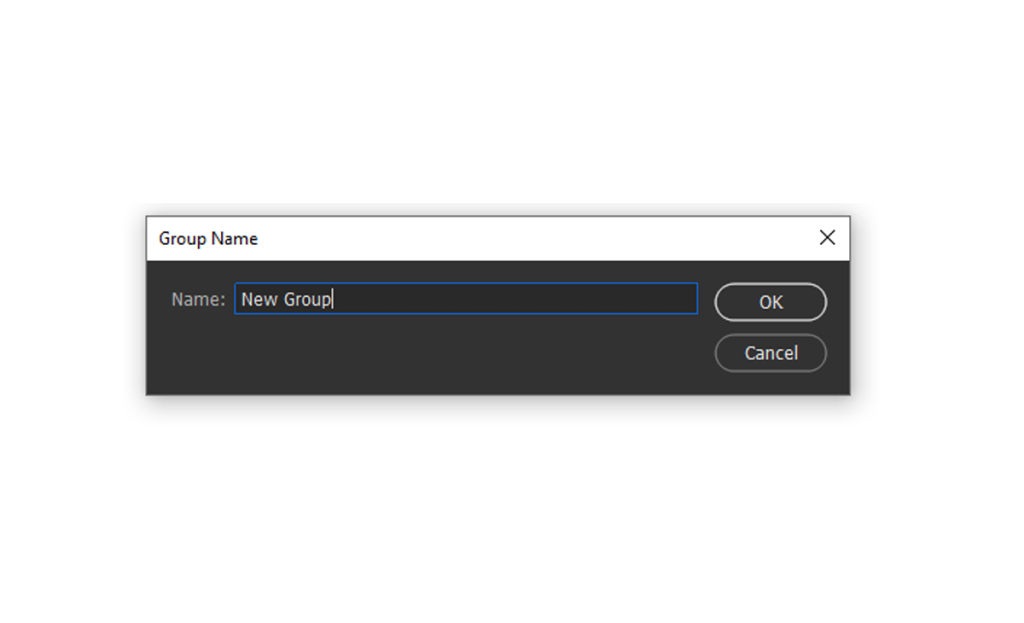
Then, click on the “Create New Group” icon (folder icon) in the Swatches panel to group them together.

Create a New Group of Swatches: Click on the “Create New Group” icon in the Swatches panel to create a new swatch group.

You can name this group and drag individual swatches into it for better organization.

Step 6: Add a Color from the Color Picker to Swatches

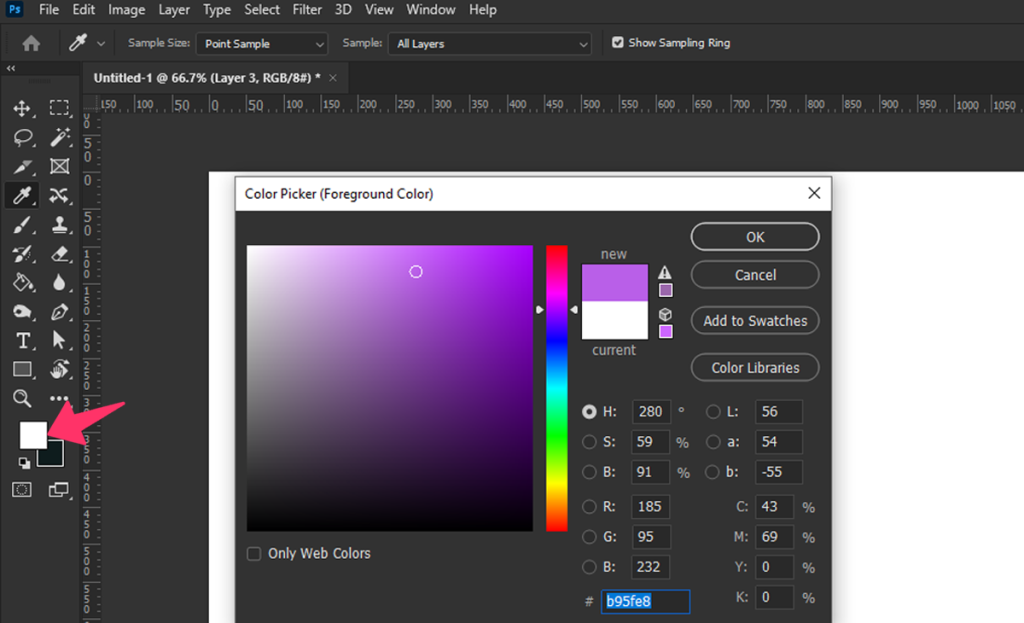
Select the Color Picker: Click on the Foreground Color in the toolbar to open the Color Picker.

How to Import Swatches in Photoshop

Choose Your Color: Select the color you want to add to your swatches.

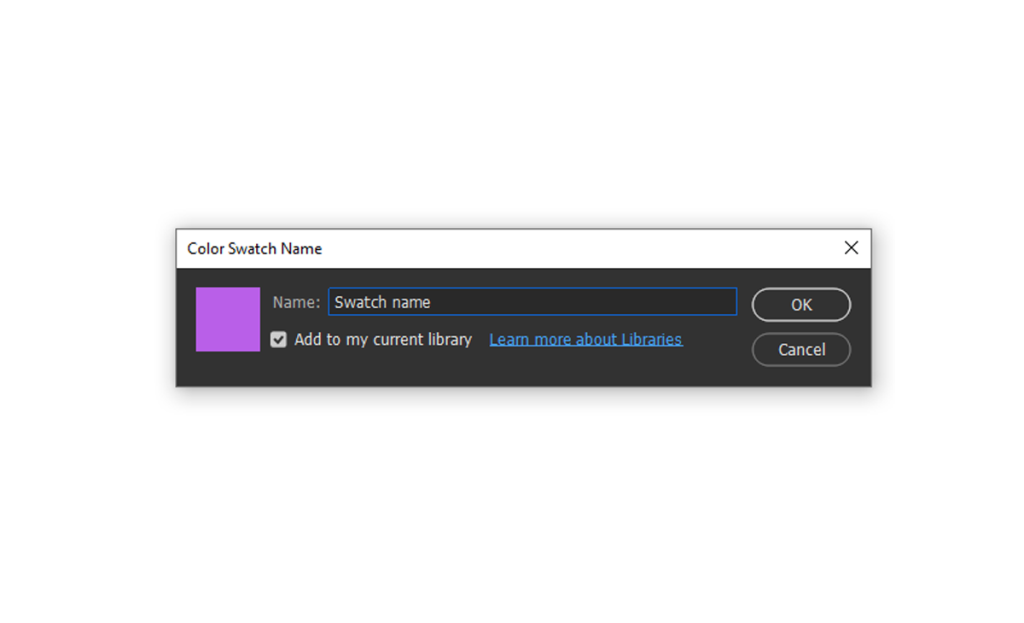
Add to Swatches: Once you’ve chosen your color, click the “Add to Swatches” button.

A dialog box will appear where you can name your new swatch.

Confirm and Save: Click “OK” to add the new color to your swatches panel.

Step 7: Export Your Swatches

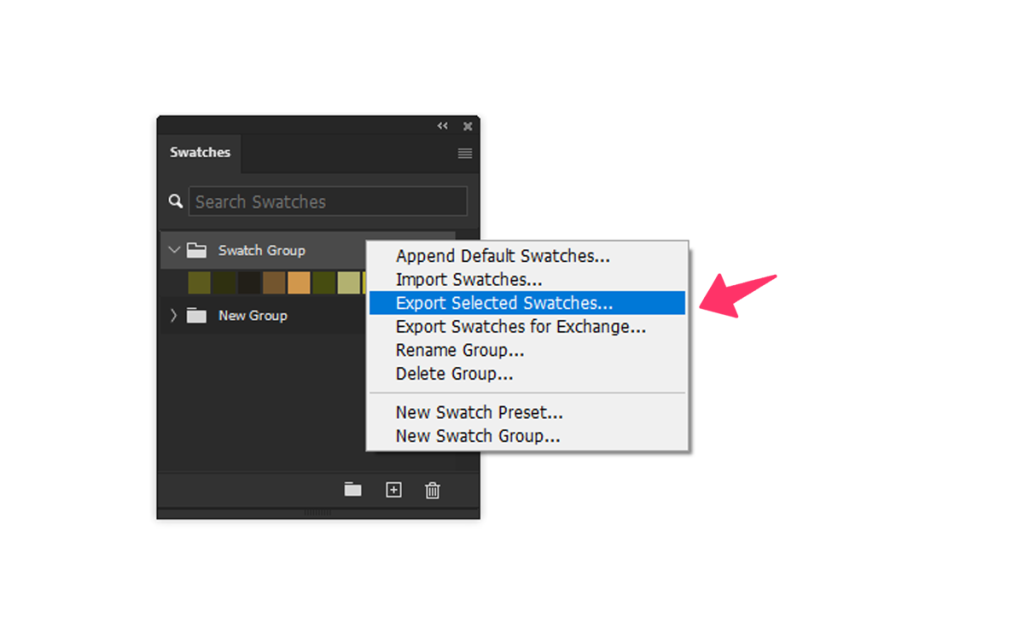
  1. Open Swatch Panel Menu: Click on the menu icon (three horizontal lines) in the top-right corner of the Swatches panel.
  2. Select “Export Swatches”: From the drop-down menu, select “Export Swatches.”
  3. Choose File Format: Select the desired file format, such as. ASE (Adobe Swatch Exchange) or. ACO (Adobe Color).
  4. Save the File: Choose the location where you want to save your swatch file, name it, and click “Save.”
How to Import Swatches in Photoshop

Conclusion

Importing swatches in Photoshop is a straightforward process that can greatly enhance your workflow.

By keeping your color palettes organized and easily accessible, you can maintain consistency and efficiency in your design projects. Experiment with different swatch files to find the perfect palette for your next masterpiece.

Explore our store for a variety of design tools and resources that can elevate your projects. From custom brushes to unique swatches, we have everything you need to bring your creative vision to life.

Happy designing!

How to Create a Color Palette from Images

How to Create a Color Palette from Images

Creating a color palette from images can be a great way to capture the perfect hues for your design projects. In this tutorial, we’ll show you how to use Cooler and Adobe Color to extract beautiful color palettes from your favorite images.

Choose Your Image

Select an image that has colors you want to use in your palette.

This could be a photo, a piece of art, or any image with vibrant colors.

Step 1: Using Cooler to Extract Colors

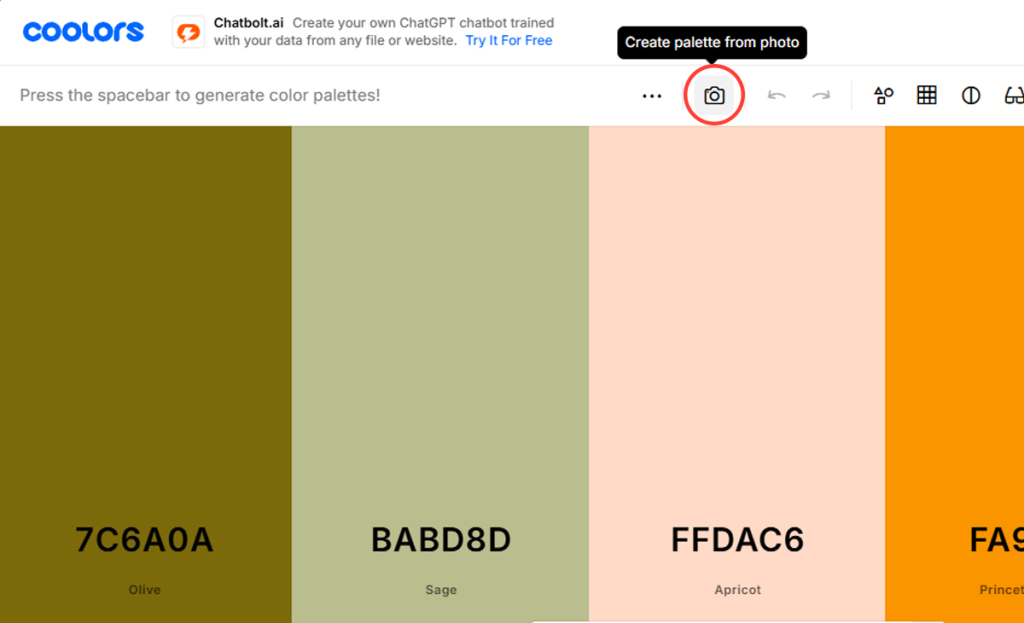
  1. Go to Cooler: Visit the Cooler website and click on the “Create Palette from photo” tool.
How to Create a Color Palette from Images
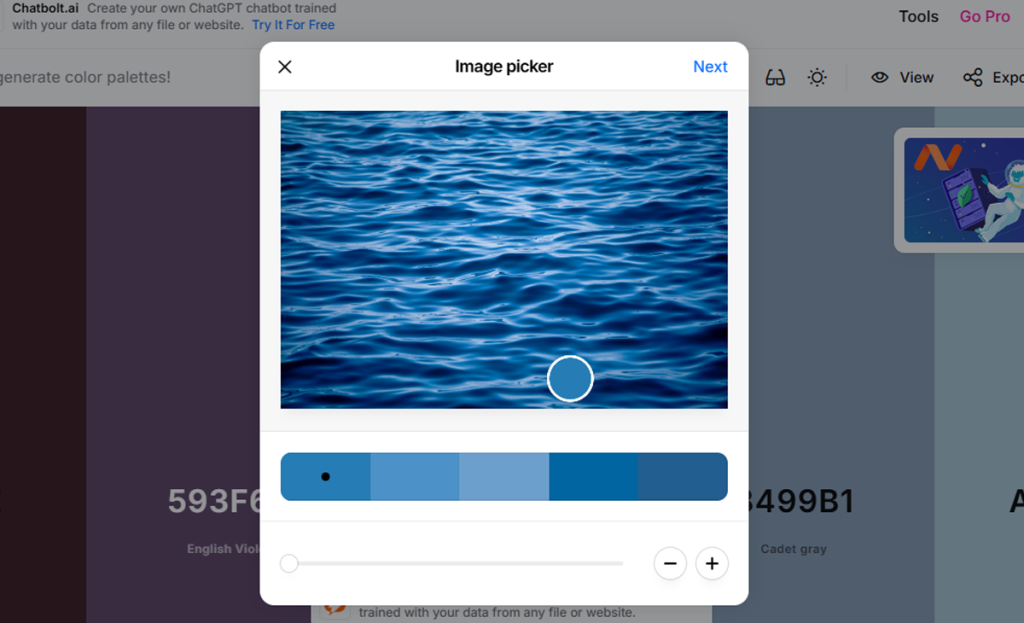
  1. Upload Your Image: Drag and drop your chosen image into the tool.
  2. Generate Palette: Cooler will automatically generate a color palette based on the dominant colors in your image.

You can adjust the palette by moving the color pucks on the image.

Exporting Your Palette in Cooler

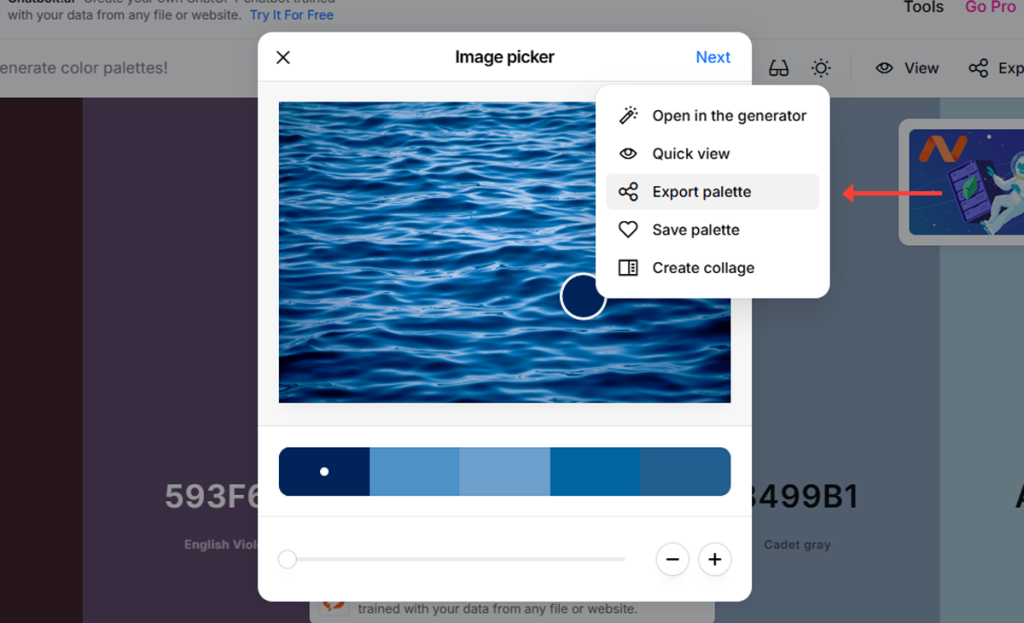
Press Next: After generating your color palette, press the “Next” button to proceed to the export options.

How to Create a Color Palette from Images

Export Palette: Click on the “Export Palette” button.

How to Create a Color Palette from Images

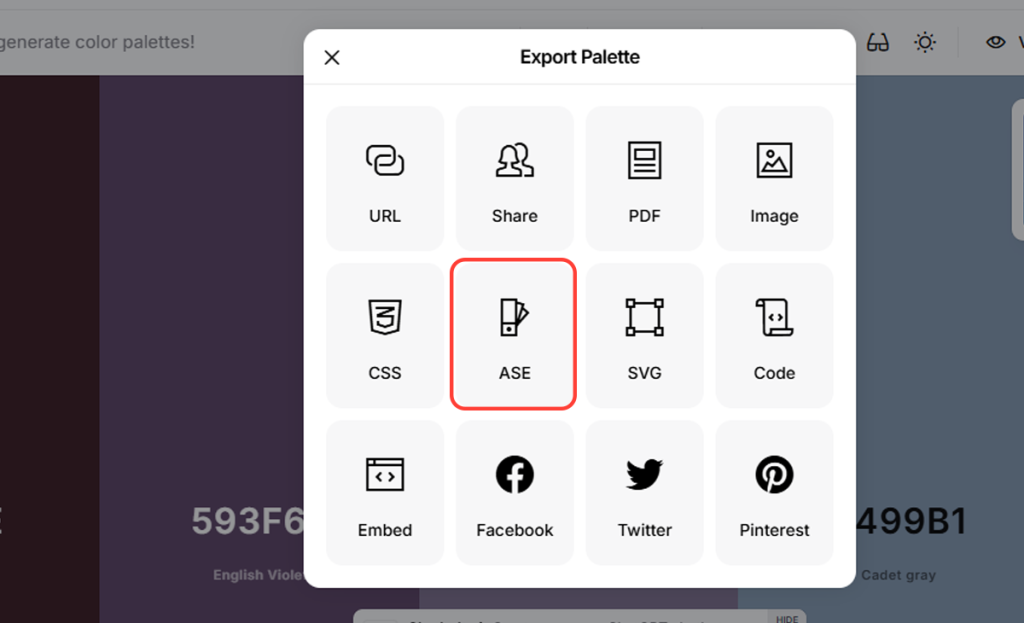
Select ASE File Format: Choose the ASE file format to ensure compatibility with Adobe software.

Step 2: Using Adobe Color to Refine Your Palette

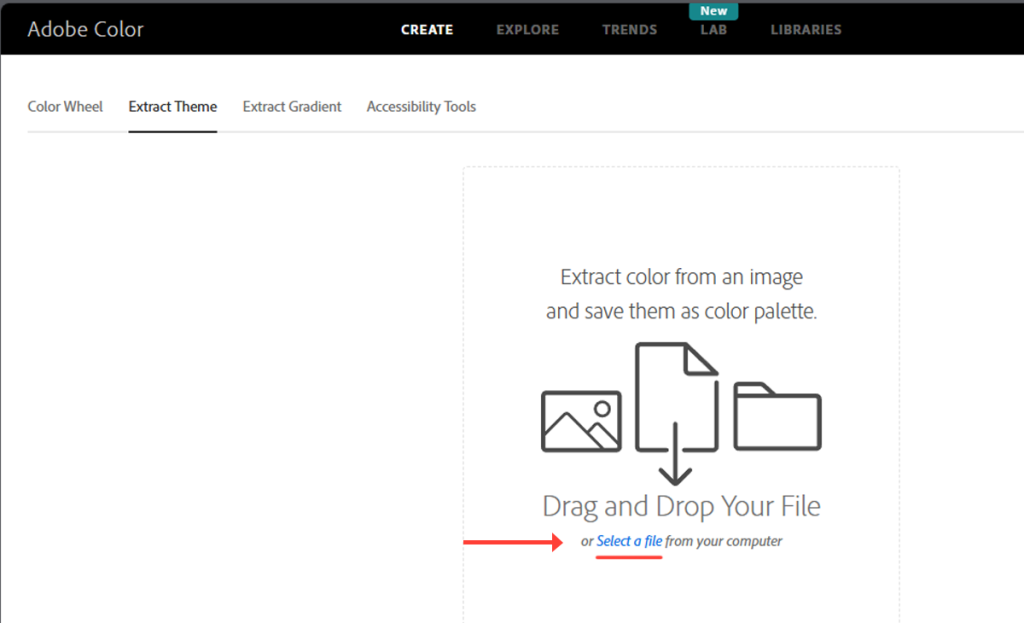
Go to Adobe Color: Visit the Adobe Color website and click on the “Create” option.

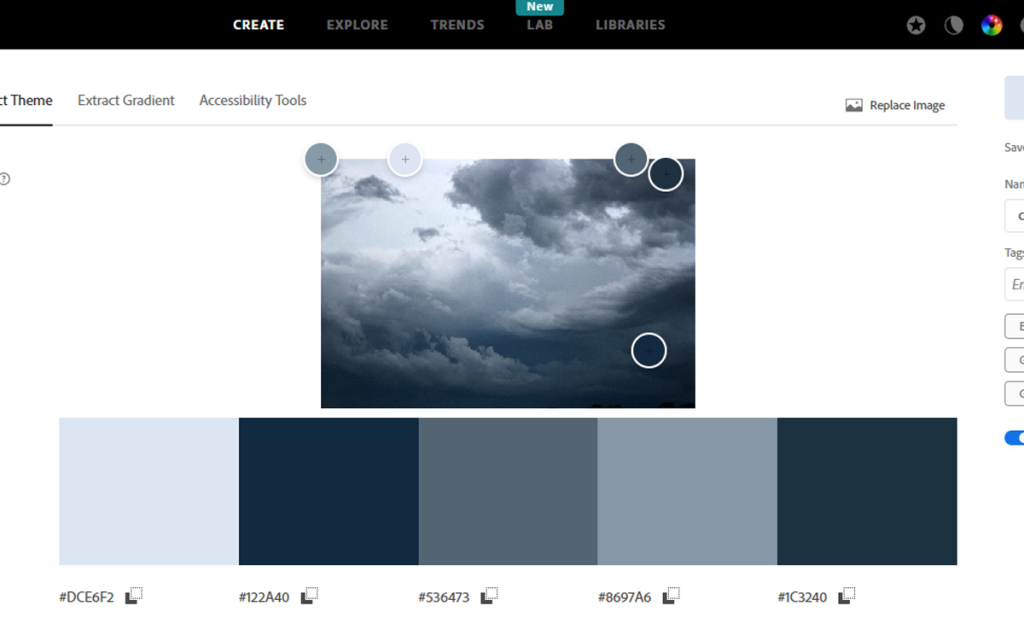
Upload Your Image: Drag and drop your image into Adobe Color.

Adjust the Palette: Adobe Color will generate a color palette based on your image.

You can fine-tune the colors by moving the color pucks and adjusting the harmony settings.

Save and Use Your Palette

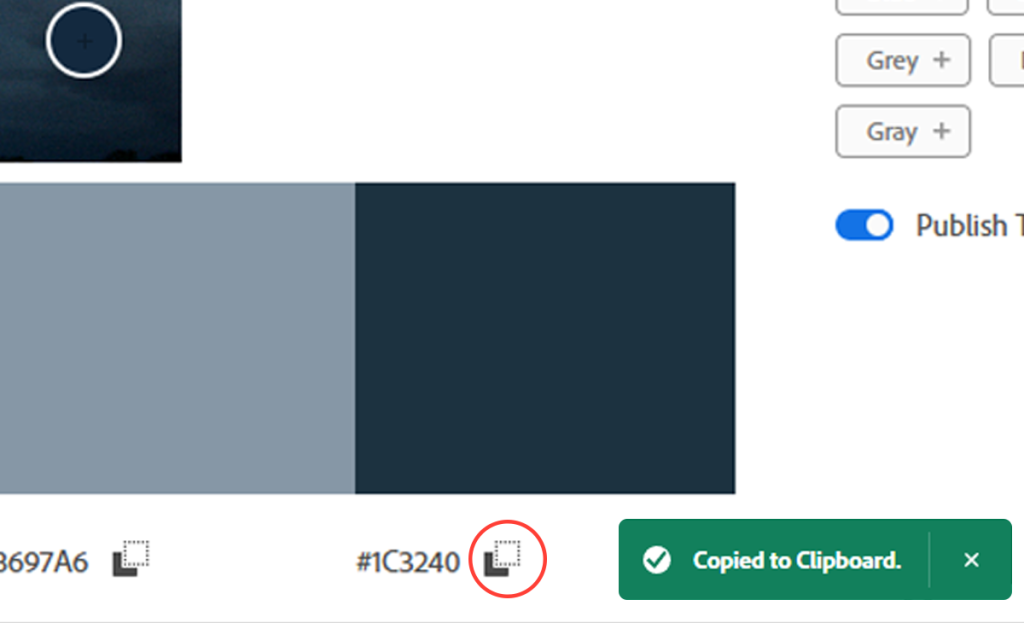
Once you’re satisfied with your palette, save it to your Creative Cloud library in Adobe Color, or copy the colors to your clipboard by pressing the “Copy to Clipboard” button.

You can also create swatches in Photoshop using these colors.

Conclusion

Creating color palettes from images is a fantastic way to ensure your designs have a cohesive and visually appealing color scheme. With tools like Cooler and Adobe Color, you can easily extract and refine color palettes to suit your needs.

Dive into these tools and let your creativity shine through your projects!

Happy designing!

What Is an ABR File?

An ABR file is a brush file used primarily in Adobe Photoshop. These files contain various brush presets, which can include shapes, textures, and dynamics, allowing digital artists to create stunning effects with ease. In this article, we will explore what an ABR file is and how to open it in different image editing software, including Adobe Photoshop, Procreate, Photopea, GIMP, and Affinity Photo.

What Is an ABR File?

ABR stands for Adobe Brush. It is a file format created by Adobe to store brush presets for Photoshop. These files can contain a variety of brush tips, from simple shapes to complex textures, enabling artists to paint with different styles and effects. The flexibility of ABR files makes them a favorite among digital artists and designers.

How to Open an ABR File

Opening an ABR file can vary depending on the software you are using. Below, we’ll cover how to open ABR files in several popular image editing programs.

1. Adobe Photoshop

Adobe Photoshop is the native application for ABR files. To install brushes in Photoshop:

  • Open Photoshop.
  • Go to the Brushes panel.
  • Click on the Settings icon and select Import Brushes.
  • Navigate to your ABR file and select it.
  • The brushes will appear in your Brushes panel.

For a detailed guide, check out our article on How to Install Brushes in Adobe Photoshop.

2. Photopea

Photopea is an online image editor that works much like Photoshop and also supports ABR files:

  • Open Photopea in your web browser.
  • Go to the Edit menu and select Import Brushes.
  • Upload your ABR file.
  • The brushes will be available for use in the brush panel.

3. Procreate

Procreate, a popular iPad drawing app, also supports ABR brushes. To import ABR brushes into Procreate:

  • Download the ABR brush file to your iPad or a cloud storage service.
  • Open Procreate and create a new canvas.
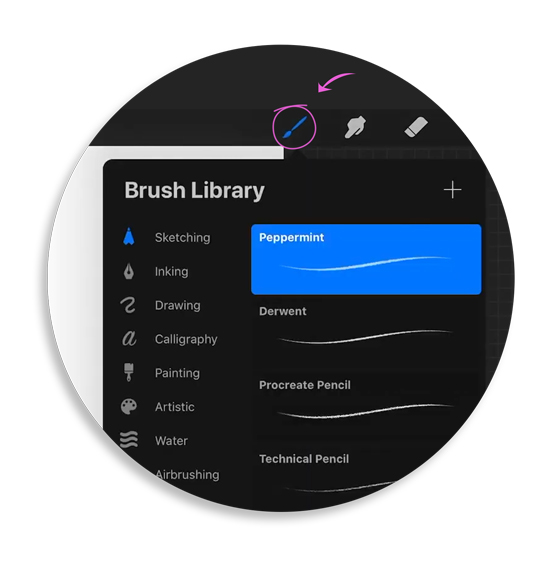
  • Tap the Brush icon to open the Brush Library.
  • Create a new brush set by tapping the + symbol at the top right corner.
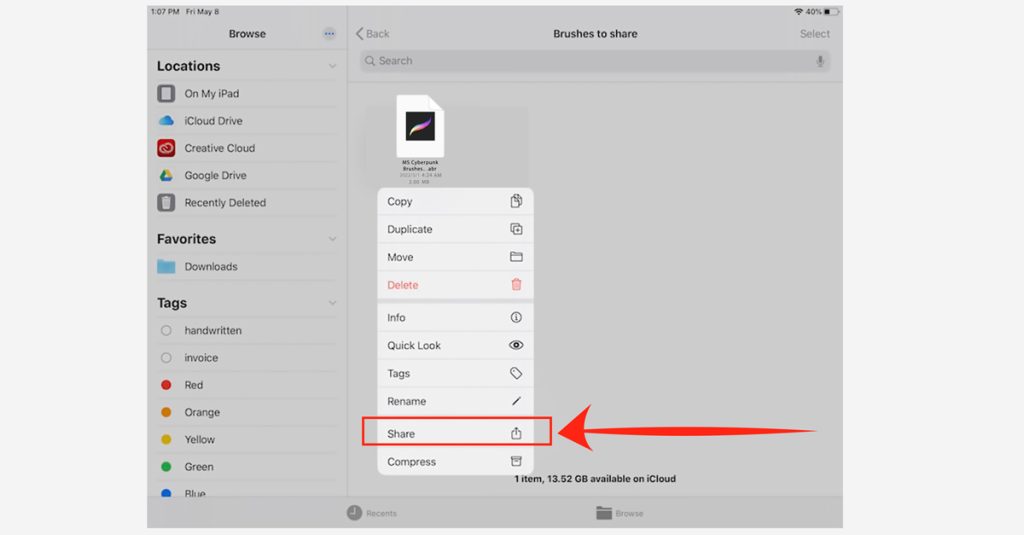
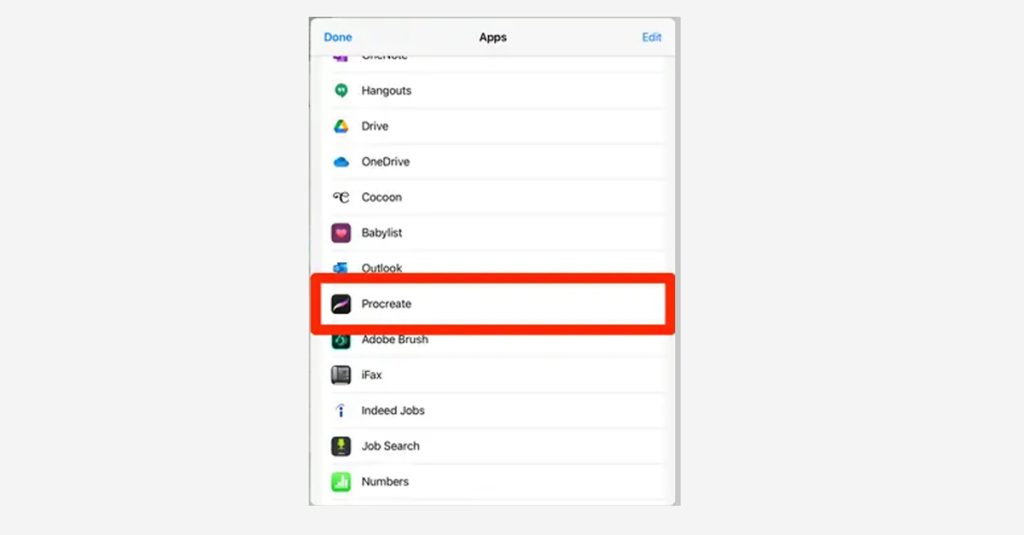
  • Hold your finger on the ABR file and select Share, then choose Procreate from the list of apps.
  • The brushes will be imported into your new brush set in Procreate.

For more details, refer to our article on How to Install Brushes in Procreate.

4. GIMP

GIMP is a powerful, open-source image editor that also supports ABR files. To install brushes in GIMP:

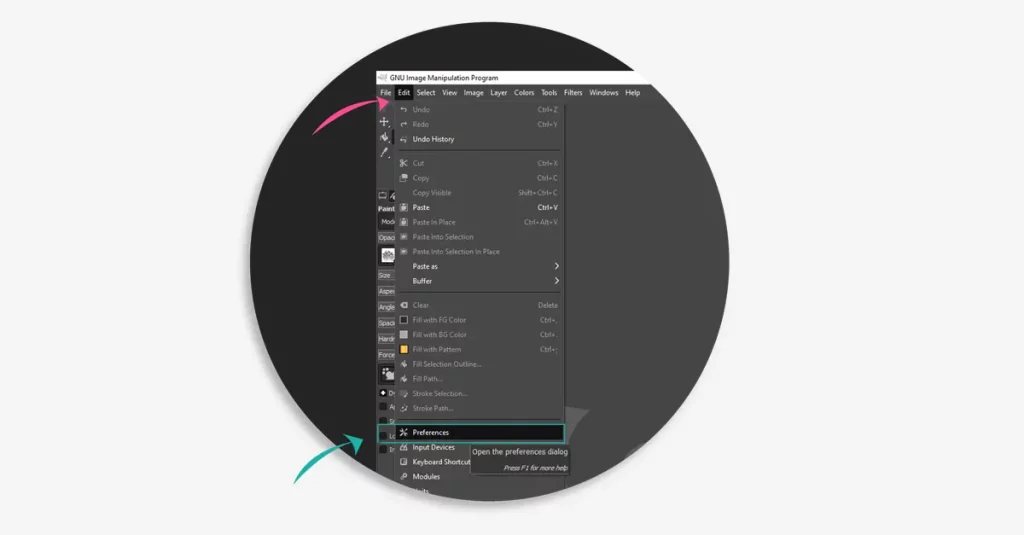
  • Open GIMP and go to Edit > Preferences.
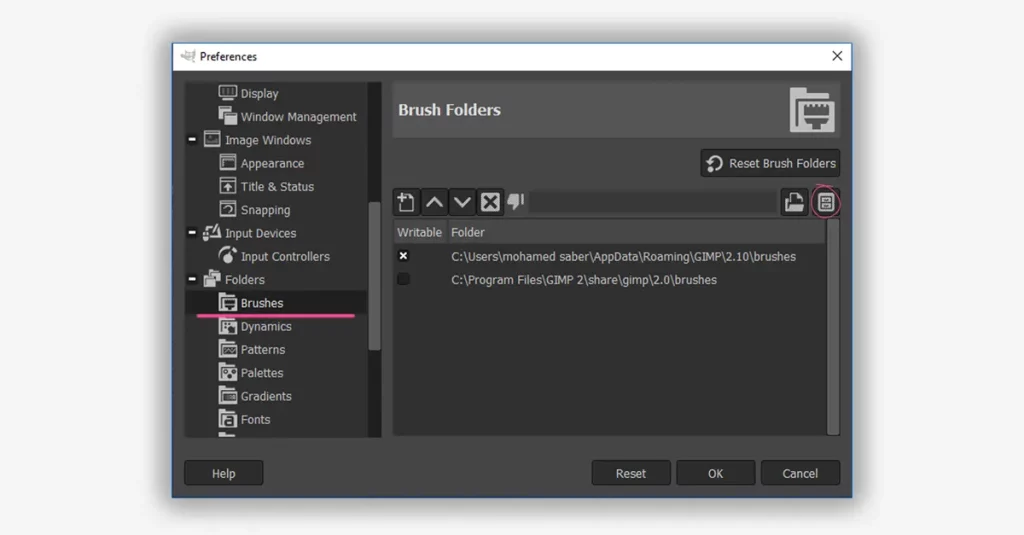
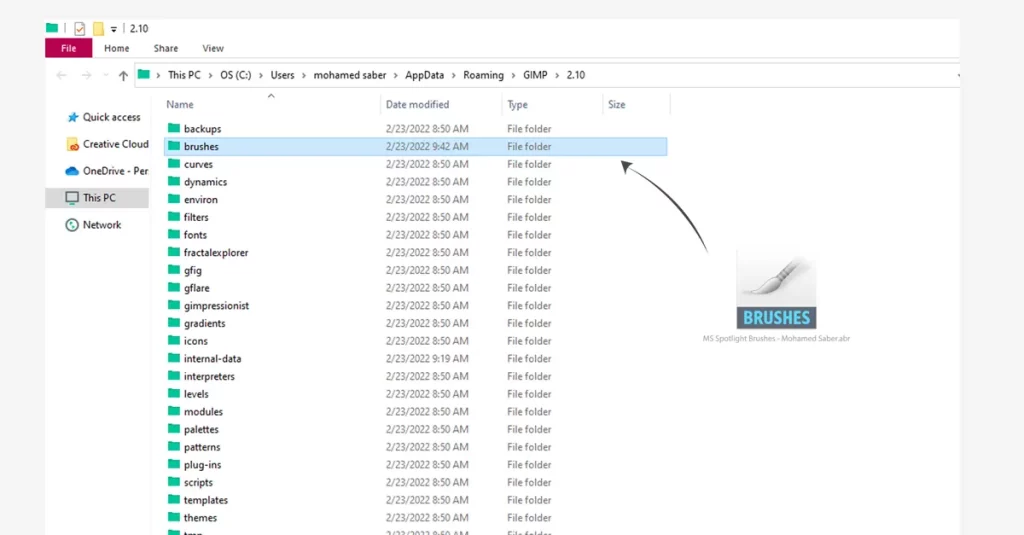
  • Navigate to Folders > Brushes and note the directory path.
  • Copy your ABR file to the GIMP Brushes folder.
  • Refresh the Brushes panel in GIMP.
  • For more details, refer to our article on How to Install Brushes in GIMP.

    5. Affinity Photo

    Affinity Photo is another popular image editing software that supports ABR files. To import brushes into Affinity Photo:

    • Open Affinity Photo.
    • Go to the Brushes panel.
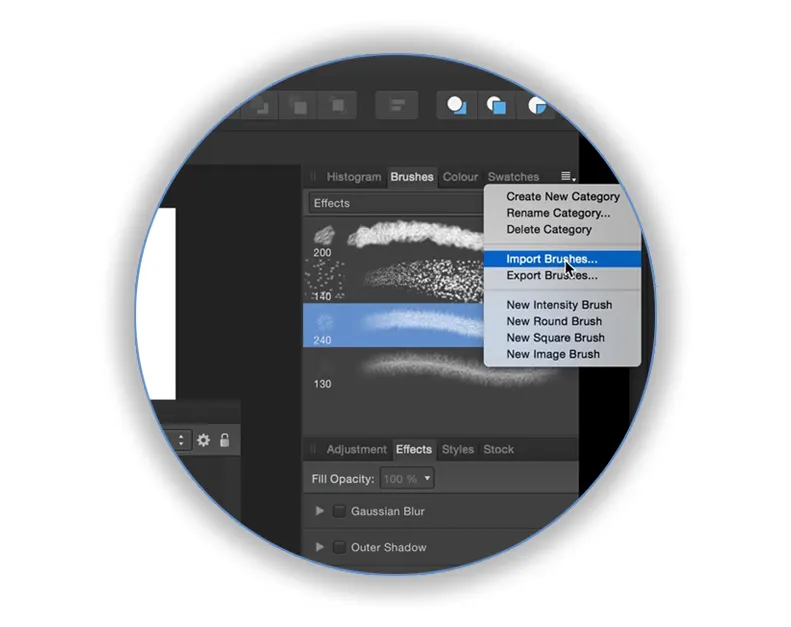
    • Click on the Menu icon and select Import Brushes.
    • Navigate to and select your ABR file.

    For a detailed guide, check out our article on How to Install Brushes in Affinity Photo.

How to Install ABR Brushes in Affinity Photo

How to Install ABR brushes in Affinity Photo.

Introduction

Affinity Photo is a powerful photo editing software that supports various brush formats, including ABR (Adobe Brush) files. This guide will walk you through the steps to import and use ABR brushes in Affinity Photo, enhancing your digital artwork and photo editing capabilities.

Step 1: Download the ABR Brush File

Start by downloading the ABR brush file you want to use. Make sure to save it in an easily accessible location on your computer, such as the Downloads folder.

Step 2: Open Affinity Photo

Launch Affinity Photo on your computer. Ensure that you have the latest version of the software for optimal compatibility with ABR files.

Step 3: Access the Brushes Panel

To begin importing your brushes:

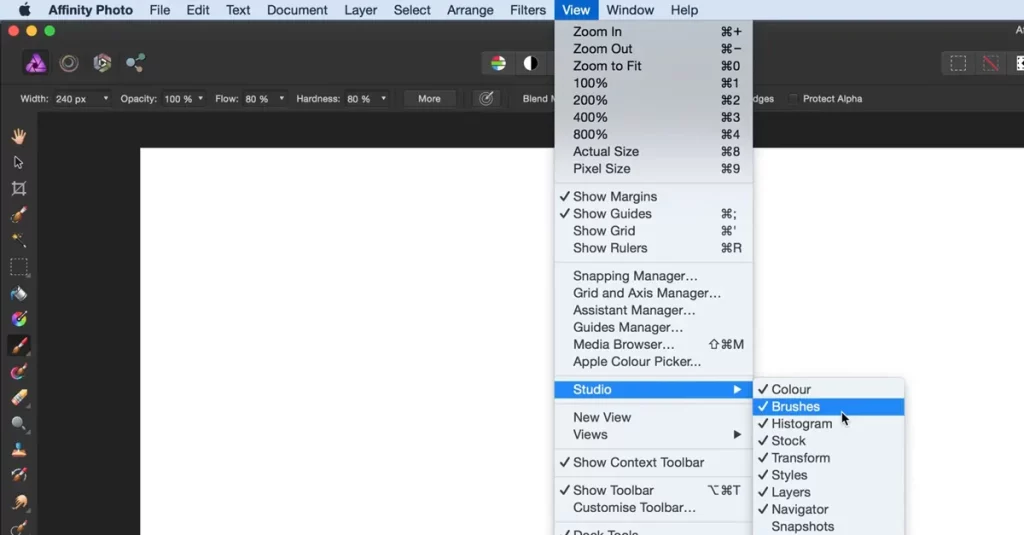
  1. Go to the View menu.
  2. Select Studio, then click on Brushes to open the Brushes Panel.

Step 4: Import the ABR Brushes

Follow these steps to import the ABR file:

  1. In the Brushes Panel, click on the Menu icon (three horizontal lines) at the top right corner.
  2. Select Import Brushes from the dropdown menu.
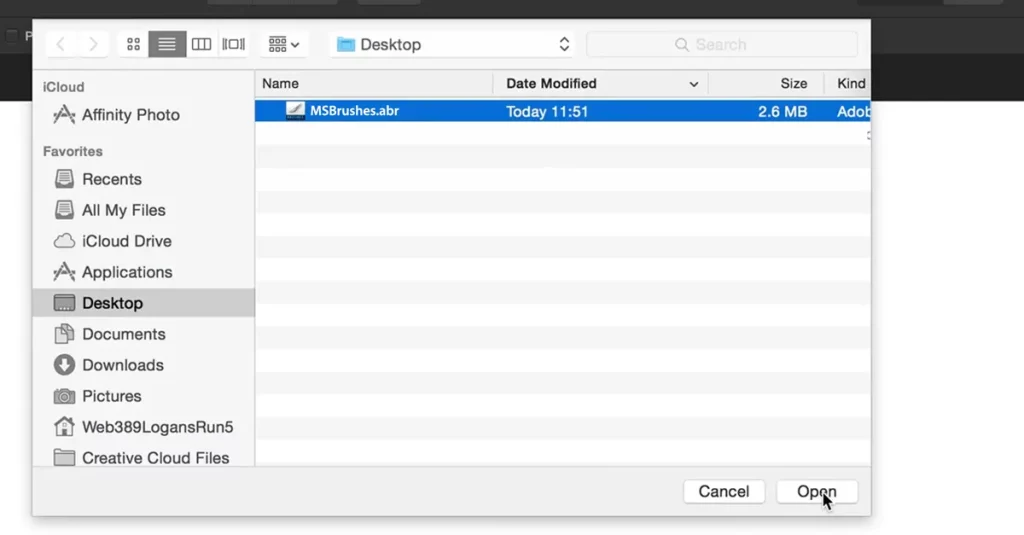
  1. Navigate to the location where you saved the ABR file.
  2. Select the ABR file and click Open. Affinity Photo will import the brushes into your Brushes Panel.

Conclusion

Installing ABR brushes in Affinity Photo is a straightforward process that greatly expands your creative possibilities.

By following these steps, you can easily import and use a variety of brushes to enhance your digital artwork and photo editing projects. Happy creating!

Learn how to import ABR brushes into Photoshop / How to import ABR Brushes into Procreate /How to Install ABR Brushes in GIMP

How to Install ABR Brushes in GIMP

How Install ABR brushes in GIMP

introduction

GIMP (GNU Image Manipulation Program) is a powerful and free image editing software that supports various brush formats, including ABR (Adobe Brush) files. In this tutorial, we’ll show you how to import and use ABR brushes in GIMP to enhance your digital artwork.

Step 1: Download the ABR Brush File

First, download the ABR brush file you want to use. Make sure to save it in a location that is easy to access, such as your Downloads folder or a specific folder for brushes.
You can explore our extensive collection of high-quality brushes here

Step 2: Locate the GIMP Brushes Folder

Next, you need to find the folder where GIMP stores its brushes:

  1. Open GIMP.
  2. Go to Edit > Preferences.
  3. In the Preferences window, navigate to Folders > Brushes.
  4. Note the directory path of the Brushes folder. You can add a new directory if you prefer to store brushes in a different location.
Install ABR brushes in GIMP

Step 3: Copy the ABR File to the Brushes Folder

Now that you have the location of the GIMP Brushes folder:

  1. Open the folder where you saved the ABR file.
  2. Copy the ABR file.
  3. Navigate to the GIMP Brushes folder (as noted in Step 2).
  4. Paste the ABR file into the Brushes folder.
Install ABR brushes in GIMP

Step 4: Refresh the Brushes in GIMP

To make GIMP recognize the new brushes:

  1. Go back to GIMP.
  2. Open the Brushes dialog.
  3. Click the Refresh button (a small circular arrow) at the bottom of the Brushes dialog. This will load the new brushes into GIMP.

Step 5: Using the Imported Brushes

Once the brushes are loaded, you can start using them in your projects:

  1. Select the Paintbrush Tool from the toolbox.
  2. Open the Brushes dialog (if it’s not already open).
  3. Scroll through the brush list to find your imported ABR brushes.
  4. Click on the brush you want to use.
  5. Adjust the brush settings as needed and start painting!

Conclusion

By following these steps, you can easily Install ABR brushes in GIMP and expand your creative toolkit. GIMP’s flexibility and wide range of supported file formats make it a great choice for digital artists and designers. Happy creating!

Learn how to import ABR brushes into Photoshop / How to import ABR Brushes into Procreate

with our easy step-by-step guide.

How to import ABR Brushes into Procreate

Import ABR brushes into Procreate

Step 1: Explore and Download Our Brushes

To begin your creative journey, you’ll need to find and download the ABR brushes you’d like to use. You can explore our extensive collection of high-quality brushes here. Once you’ve found the perfect set, download the ABR file to your device.

Step 2: Locate the ABR File

Once you’ve downloaded the ABR file, locate it on your device. If you’re using a computer, you may need to transfer the file to your iPad via cloud storage (such as iCloud, Dropbox, or Google Drive) or using AirDrop.

Step 3: Open Procreate

Launch the Procreate app on your iPad. Ensure you have the latest version of Procreate for the best experience and compatibility with ABR files.

Step 4: Import the Brushes

  1. Open your Procreate canvas or create a new one.
  2. Tap on the Brush icon to open the Brush Library.
  3. At the top right corner of the Brush Library, tap on the + symbol to create a new brush set.
  4. Tap on the newly created brush set to open it.
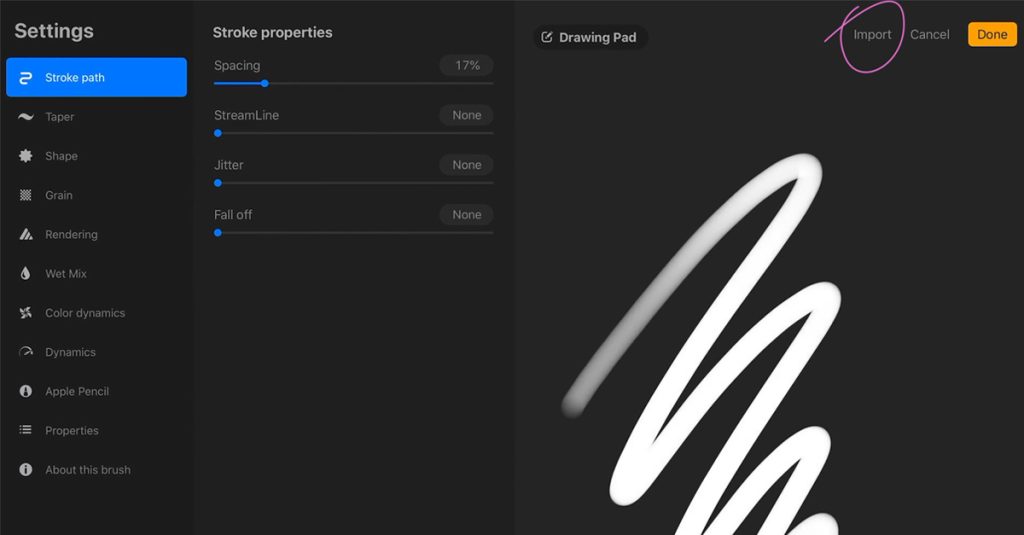
  5. Now, tap on the Import button located at the top right of the brush set panel.
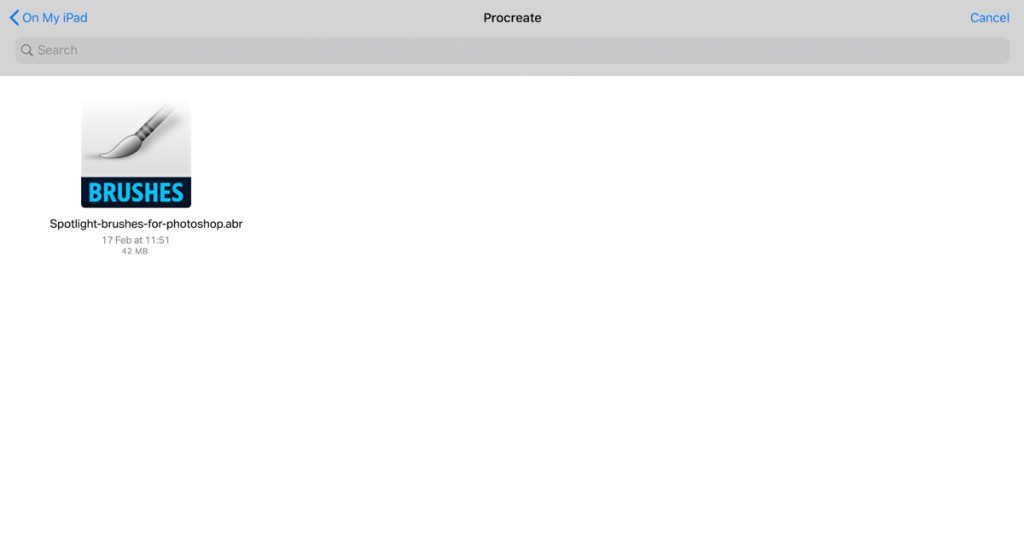
  6. Navigate to the location where you saved your ABR file (e.g., iCloud Drive, Dropbox, etc.).
  7. Select the ABR file to import it into Procreate.
Import ABR brushes into Procreate

Step 5: Organize and Use Your Brushes

After importing, you’ll see your new brushes within the selected brush set in Procreate. You can rename the brush set for better organization. To start using the brushes:

  1. Select the brush you want to use from the imported set.
  2. Adjust the brush settings as needed.
  3. Start creating your artwork with your newly imported brushes!

How to Import ABR Brushes into Procreate on iPad

Locate the ABR file on your iPad or cloud storage.

Hold your finger on the brush file and select Share from the options menu

Import ABR brushes into Procreate

Choose Procreate from the list of apps.

Import ABR brushes into Procreate

Procreate will automatically import the brushes into your selected brush set.

Congratulations!

You’ve successfully imported ABR brushes into Procreate.

Now you can enjoy a wider variety of tools and enhance your digital art projects.

Happy creating!

“Learn how to import ABR brushes into Photoshop with our easy step-by-step guide.

Master the Waves: Ocean Photoshop Tutorial

Unleash Your Inner Artist: Ocean Photoshop Tutorial with Premium Brushes

Welcome to our comprehensive ocean Photoshop tutorial! Whether you’re an experienced digital artist or a newcomer eager to dive into the world of seascapes, this guide is designed for you. In this tutorial, we’ll explore the step-by-step process of painting an ocean scene, using our specially designed brushes to bring the waves to life. You’ll learn how to create realistic waves, shimmering reflections, and dynamic light effects that will transform your digital canvas into a breathtaking masterpiece. Ready to embark on this creative journey? Let’s get started!

Tutorial Assets


Step 1

Open a New Document in Photoshop at 5000 x 3000 pixels and 300 dpi.

ocean photoshop tutorial

Step 2: Choosing Your Color Palette

For this tutorial, I used these colors to bring the ocean scene to life. Here are the color codes:

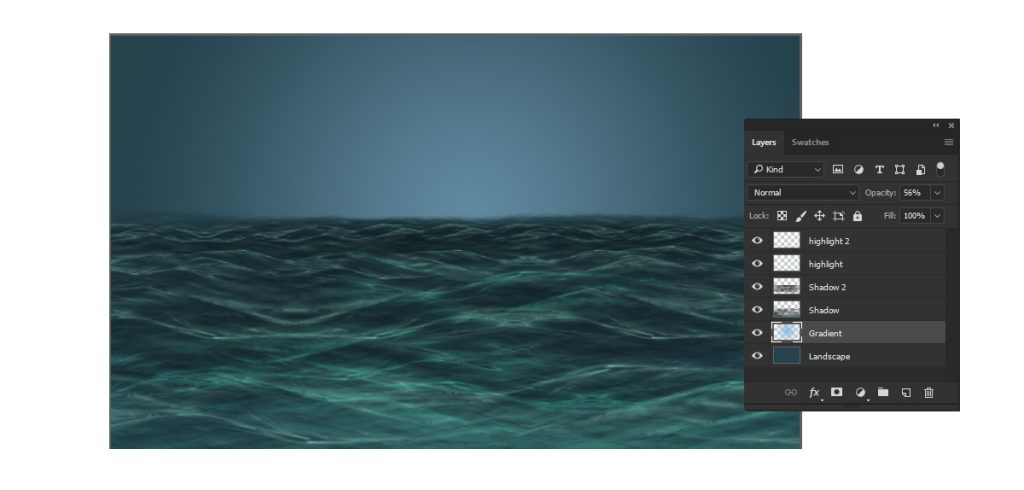
  • Base color: #26424d
  • Highlight: #7fb8ab
  • Highlight 2: #4bbaa5
  • Shadow 1: #1a333d
  • Shadow 2: #0f2025

Step 3: Fill the Background with the Base Color

Use the Paint Bucket tool to fill the background with your base color: #26424D. This deep, oceanic hue will serve as the foundation for your artwork, setting the tone for your sea painting.

ocean photoshop tutorial

Step 3: Adding Highlights with the Ocean Brush Pack

To use the brushes, you need to load them into Photoshop
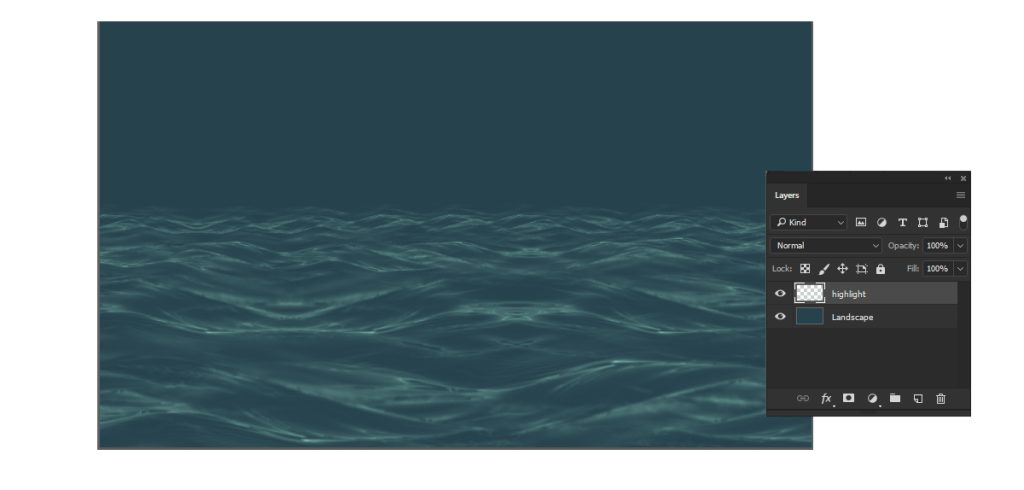
First, create a new layer and rename it “Highlight.” Using any brush from the Ocean Brush Pack, set your foreground color to #7FB8AB. Select the Brush Tool (B) and start painting the highlight areas in your ocean scene. This color will add a touch of light and vibrancy, mimicking the way sunlight dances on the waves.

ocean photoshop tutorial

Step 4: Painting the Shadows

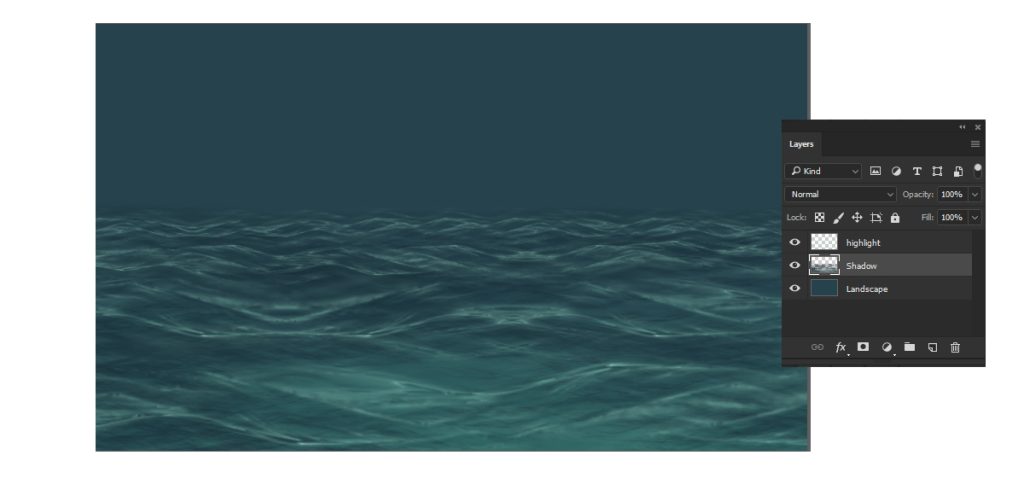
Create a new layer and name it “Shadow.” Place this layer below the “Highlight” layer. Set your shadow color to #1A333D and, using the same brush from the Ocean Brush Pack, paint the shadow areas.
This will add depth and dimension to your ocean scene, enhancing the contrast and making the highlights stand out even more.

ocean photoshop tutorial

Step 5: Adding Secondary Highlights

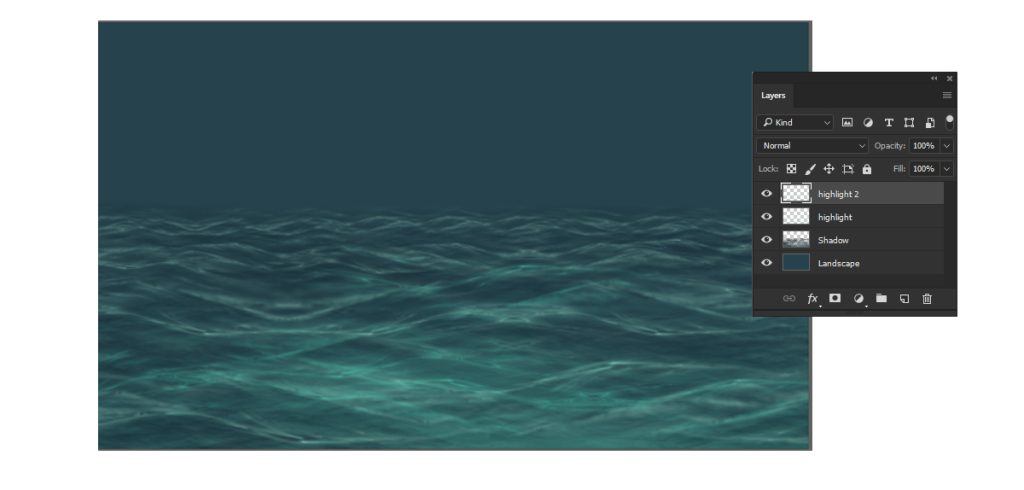
Create a new layer and rename it “Highlight 2.” Position this layer above the “Highlight” layer. Set your shadow color to #4bbaa5, paint your secondary highlights in this layer.
This will enhance the light and detail in your ocean scene, adding an extra dimension to your artwork.

ocean photoshop tutorial

Step 6: Adding Second Layer of Shadows

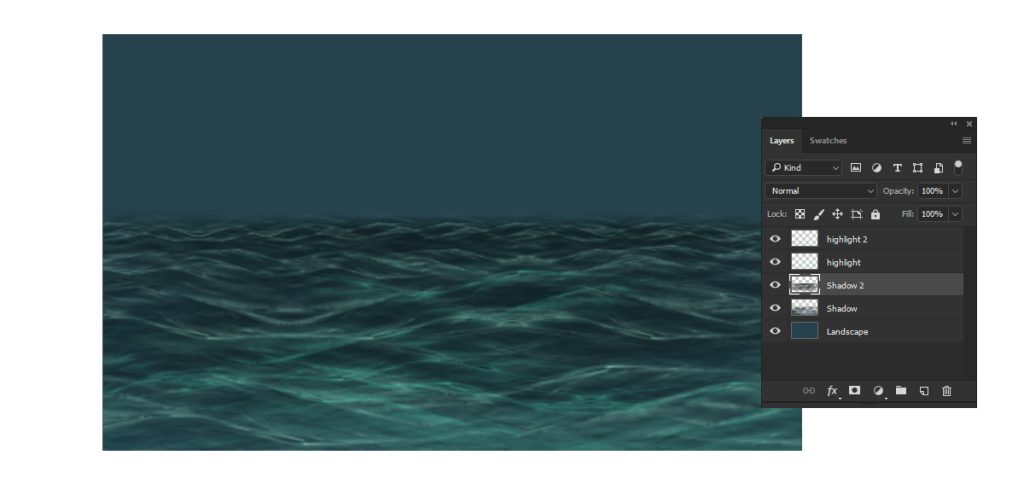
Create a new layer and rename it “Shadow 2.” Place this layer above the “Shadow” layer. Set your shadow color to #0F2025. , paint the shadow areas to add more contrast and depth to your ocean scene.
This additional layer of shadows will enhance the dimensionality of your artwork, making it even more realistic.

Step 7: Painting the Light

Create a new layer and position it below the “Highlight” layer. Select the Gradient Tool and choose the Radial Gradient option.

Use this color for the light: #5e869b. Paint the direction of the light in the sky, which will give a sense of illumination and add depth to your ocean scene.

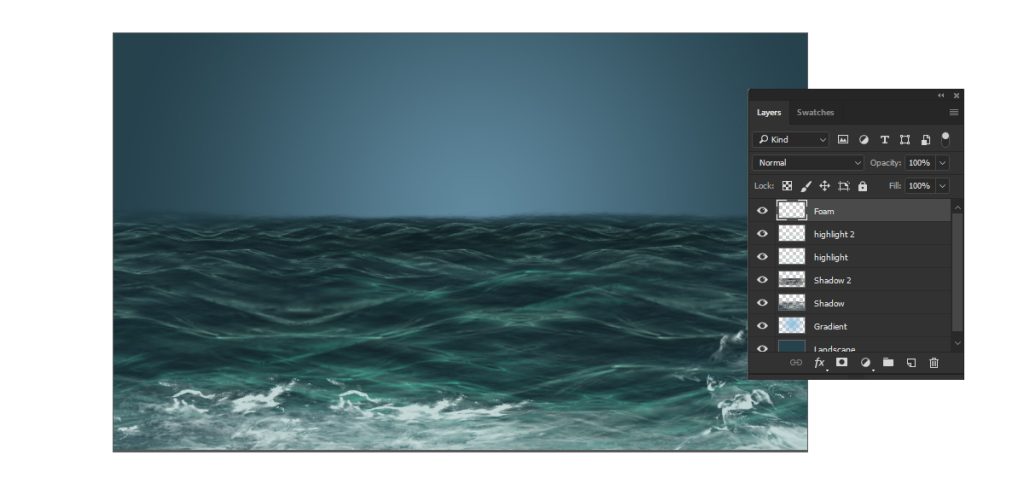
Step 8: Painting the Foam

Create a new layer and place it above the “Highlight 2” layer.
Select the Foam Brush from the Ocean Brush Pack, set your foreground color to #FFFFFF (white), and start painting the foam.
This will add the final touch to your ocean waves, creating realistic and dynamic foam patterns that enhance the overall scene.

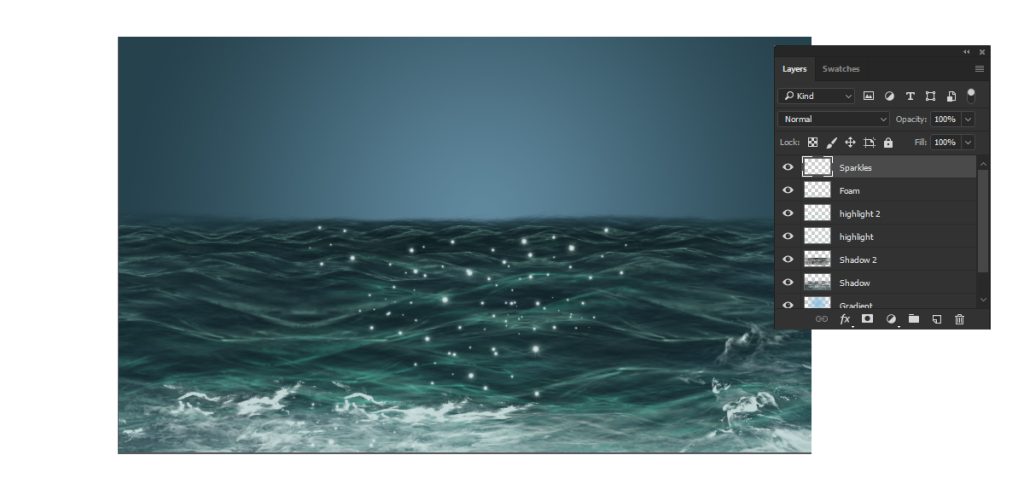
Step 9: Adding the Glitter

Create a new layer and set it above all the previous layers.
Select a glitter brush from the Ocean Brush Pack and set your foreground color to #FFFFFF (white).
Use the brush to add glittering highlights to the ocean, mimicking the sparkle of sunlight on the water.
This will add a magical and dynamic touch to your artwork, making it truly stand out.

ocean photoshop tutorial

Congratulations! Your Ocean Painting Tutorial is Complete

Great job following along! You’ve successfully created a stunning ocean scene in Photoshop using our premium brushes. If you want to see the entire process in action, you can watch the video tutorial here.

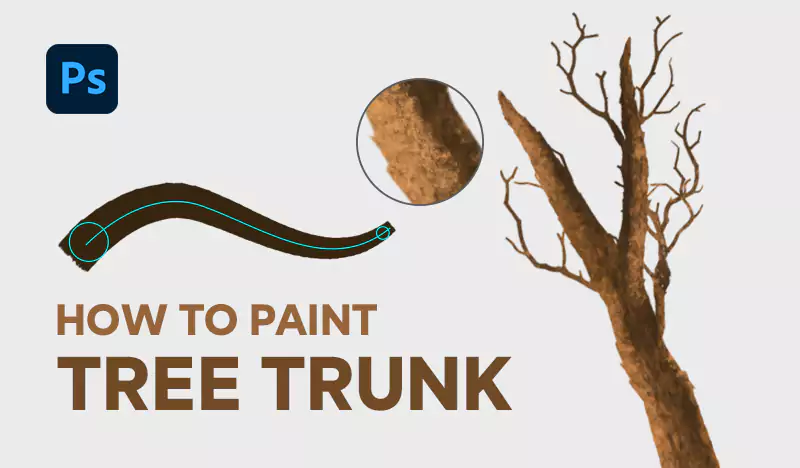
How to paint tree trunk in photoshop

Introduction In this tutorial, we will guide you through the process of painting a realistic tree trunk using our specialized foliage brush pack. These brushes are designed to create authentic textures, helping you achieve stunning results with ease. Whether you’re enhancing a digital forest or adding a single tree to your artwork, this guide will ensure your tree trunk looks lifelike and detailed.

Tutorial Assets

Step 1: Painting the Tree Trunk

start by selecting the tree trunk brush from the foliage brush pack

To use the brushes, you need to load them into Photoshop first.

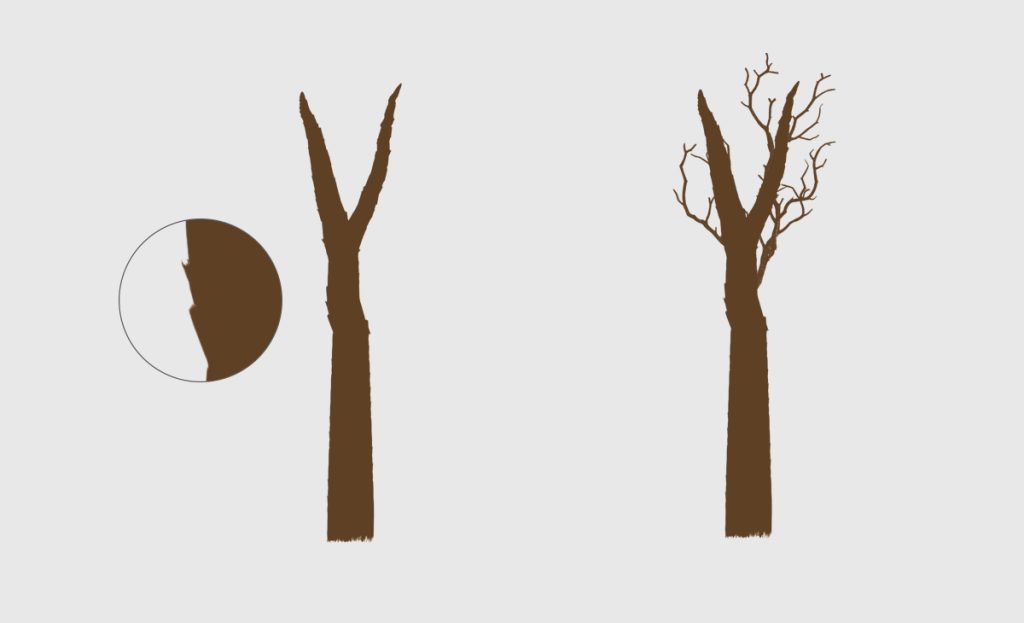
The difference between the two brushes lies in the edges of the resulting tree trunk: one brush produces softer edges, while the other creates more defined edges.

This brush is designed to create a faded effect, mimicking the natural texture of a real tree trunk. As you start painting, you will notice the brush blends seamlessly, providing a realistic base layer for your tree.

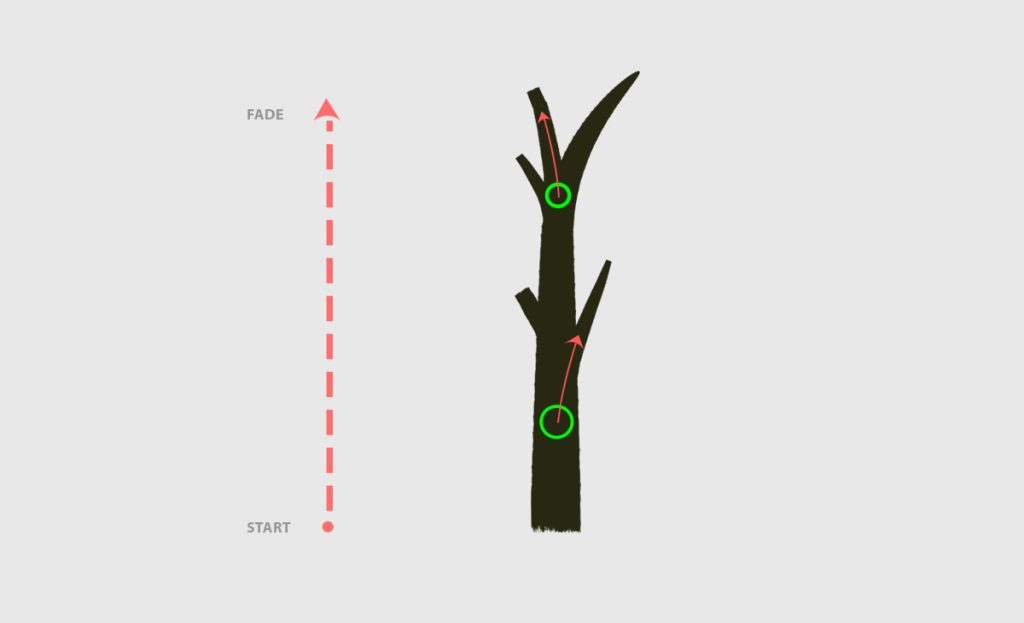
Step 2: Drawing Sub-Trunks

  • Keep the same brush to draw the sub-trunks of the tree.
  • When you want to create a smaller trunk, start at the bottom of the tree, as shown in the green circle. This technique works realistically since trees grow from the bottom up.

Step 3: Drawing Tree Branches

At this point, we’re going to draw the branches. Use any of the brushes from the foliage brush pack to create them.

Just practice with these brushes; they are designed to be easy to use.

Keep the same color as the tree trunk to ensure consistency.

Notice that the dark color should be under the texture layer to add depth and realism to your branches.

write step 4 : paint tree trunk texture use tree trunk texture brushes and 3a2715 for dark colors and ac6e33 for light color a

Here’s the next step for painting tree trunk texture:

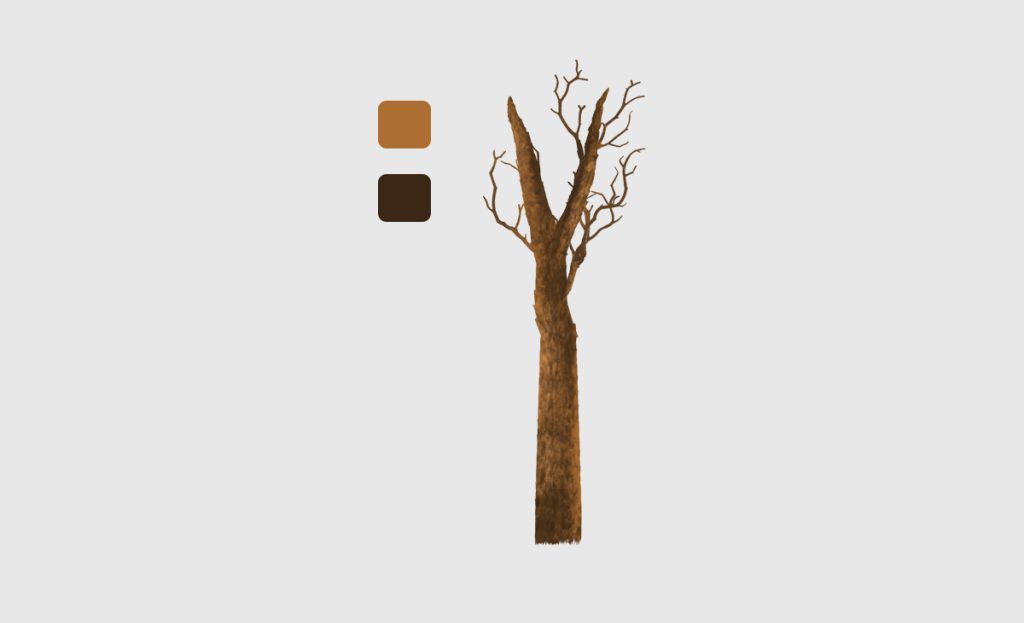
Step 4: Painting Tree Trunk Texture

  • Use the tree trunk texture brushes from your foliage brush pack to add detailed textures to the trunk.
  • For the dark areas, select the color #3a2715. This will add depth and shadow to the trunk.
  • For the lighter areas, use the color #ac6e33. This will highlight the raised parts of the texture, adding a realistic effect.
  • Carefully apply the texture, blending the dark and light colors to mimic the natural variations found in real tree bark.

Step 5: Adding Foliage

How to paint foliage in photoshop

How to paint foliage in photoshop

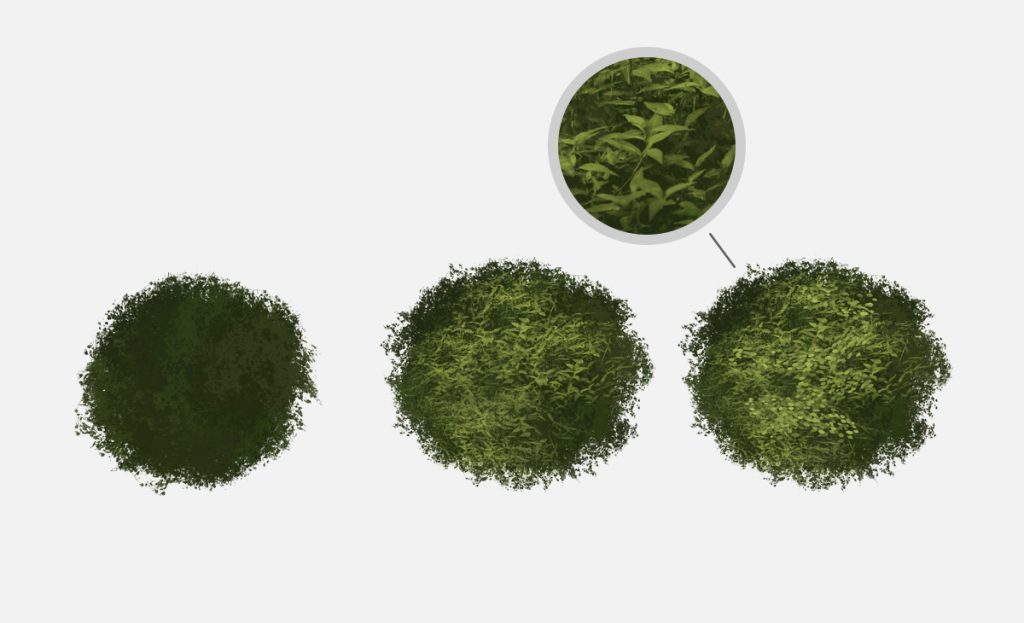
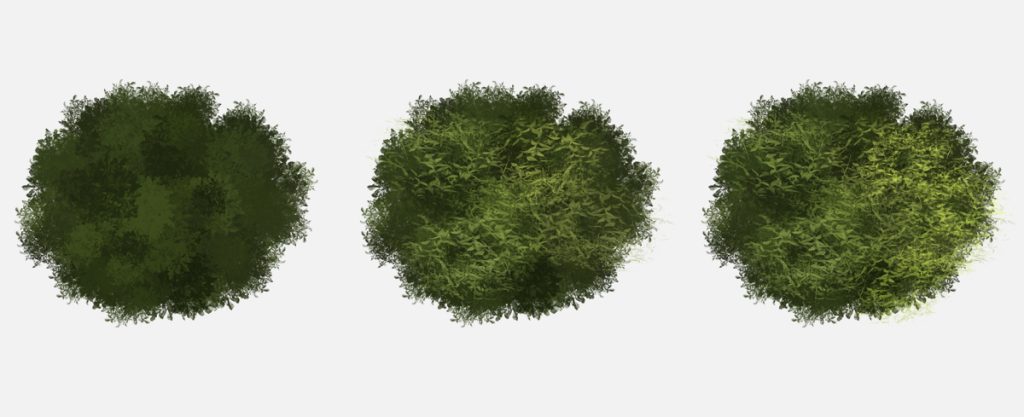
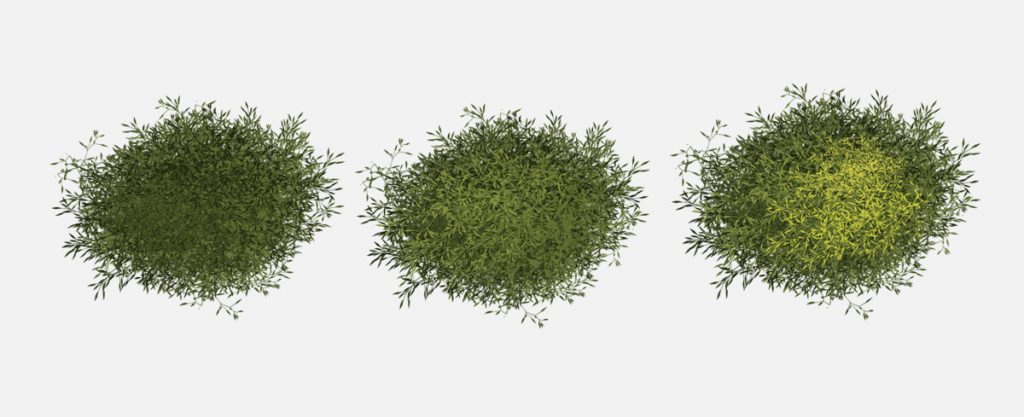
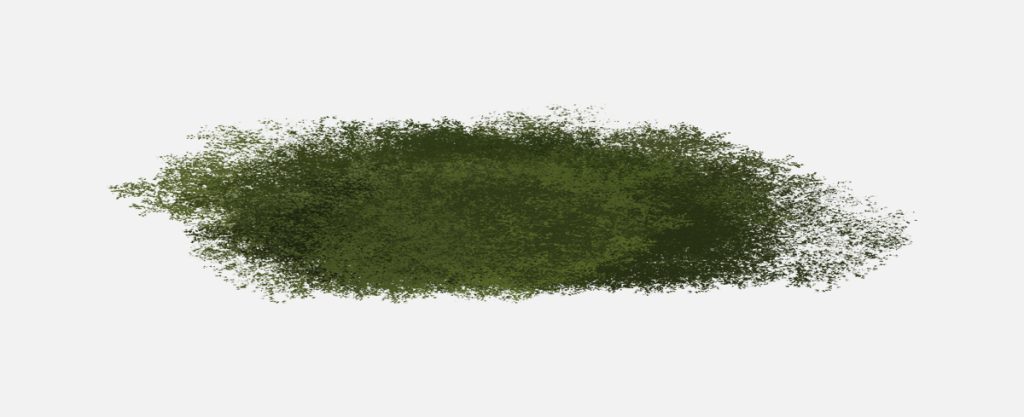
Creating realistic foliage in Photoshop can significantly enhance the depth and vibrancy of your digital artwork. This tutorial will guide you through the process, step by step, using custom brushes designed specifically for painting foliage. Whether you’re just starting out or looking to refine your skills, this guide will help you achieve stunning results.

Before you begin, ensure you have the following:

Selecting the Right Brushes

Using the right brushes is crucial for creating realistic foliage:

Choosing Colors

Choosing the right colors is essential for a natural look. Here’s a suggested palette:

  • Leaf Base Color: #2E8B57
  • Leaf Highlight Color: #76C84E
  • Leaf Shadow Color: #154734

To use the brushes, you need to load them into Photoshop.

In this package, you will find a set of tree brushes designed to help you paint foliage just the way you envision it

Using these brushes, you can paint with two colors: a foreground color and a background color.
Start by setting the darker color as the foreground color for your initial painting.
Then, switch to the lighter color as the foreground color by pressing ‘X’ in Photoshop and painting Leaves for added depth and realism.

How to paint foliage in photoshop